At Printfest 2026, The Shelter stopped being just a print.
It became something people built — thread by thread.
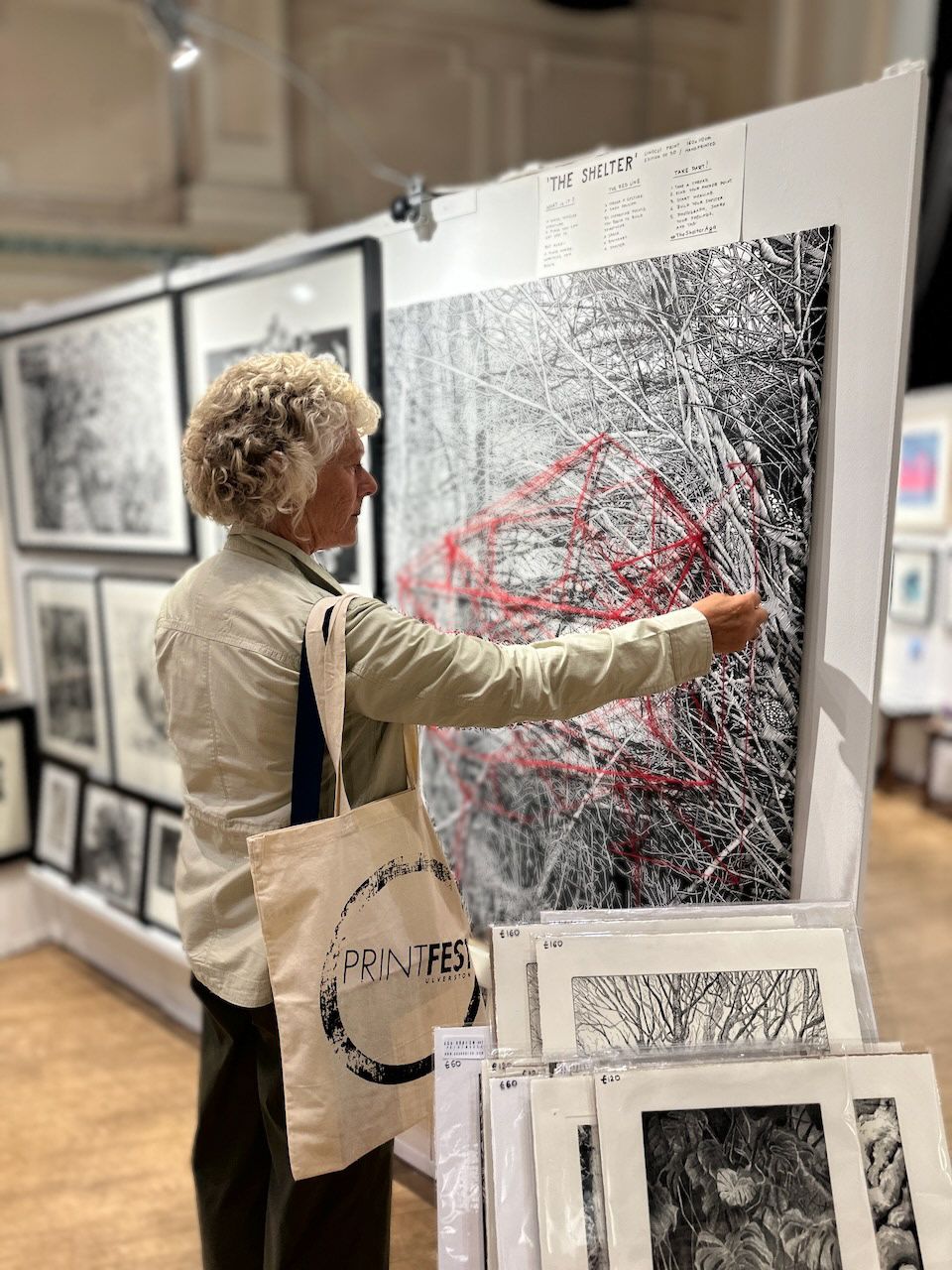
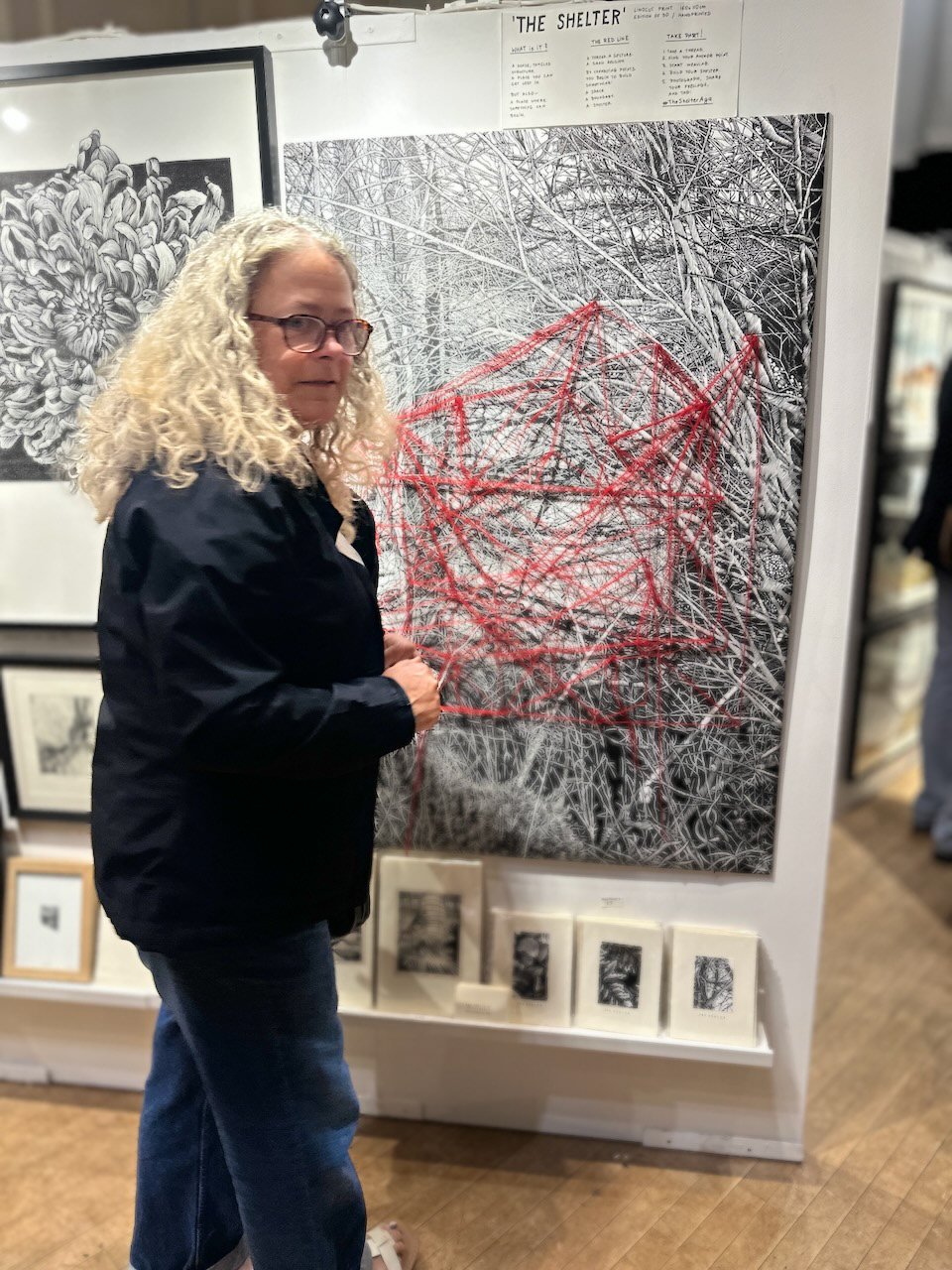
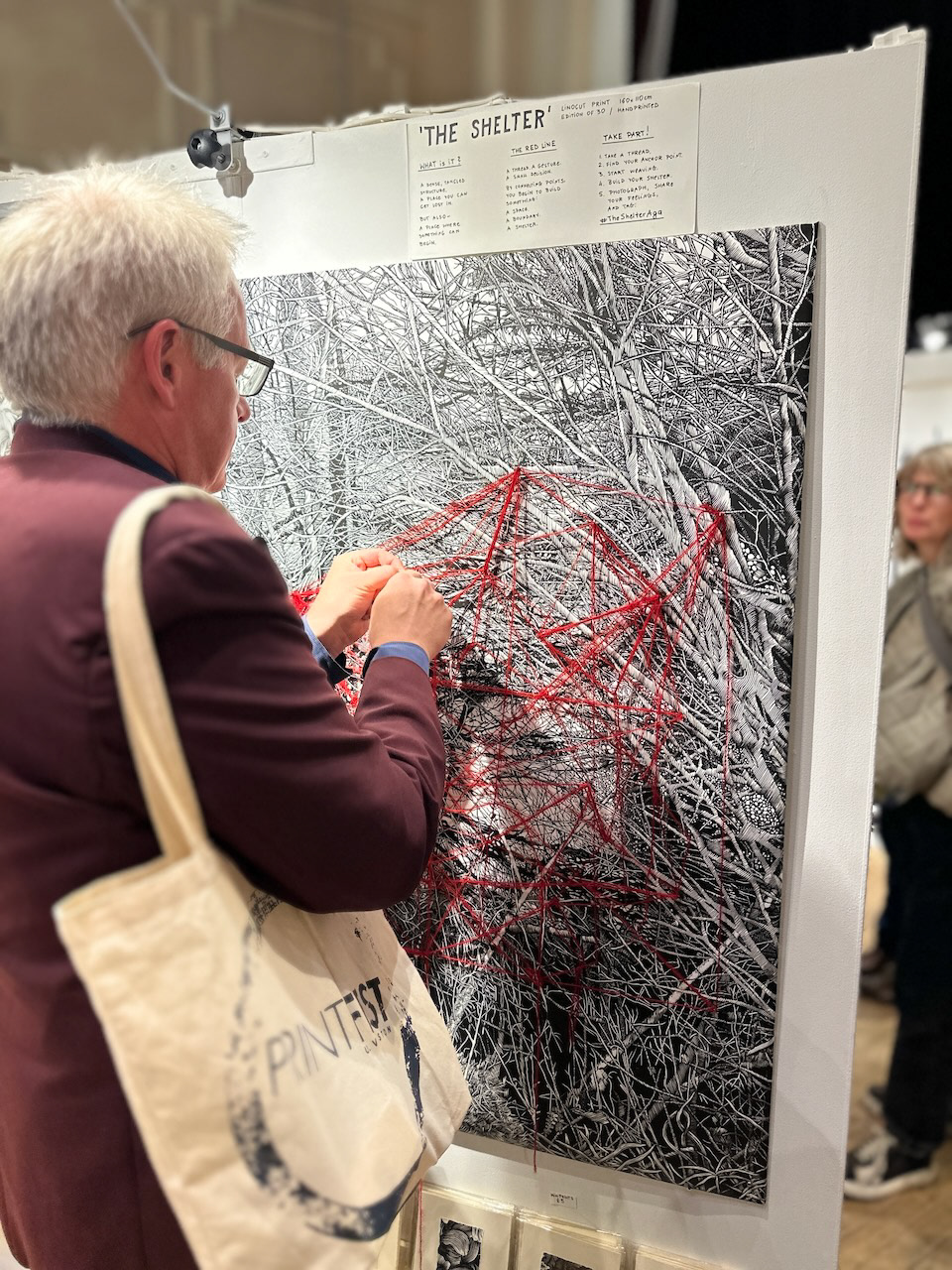
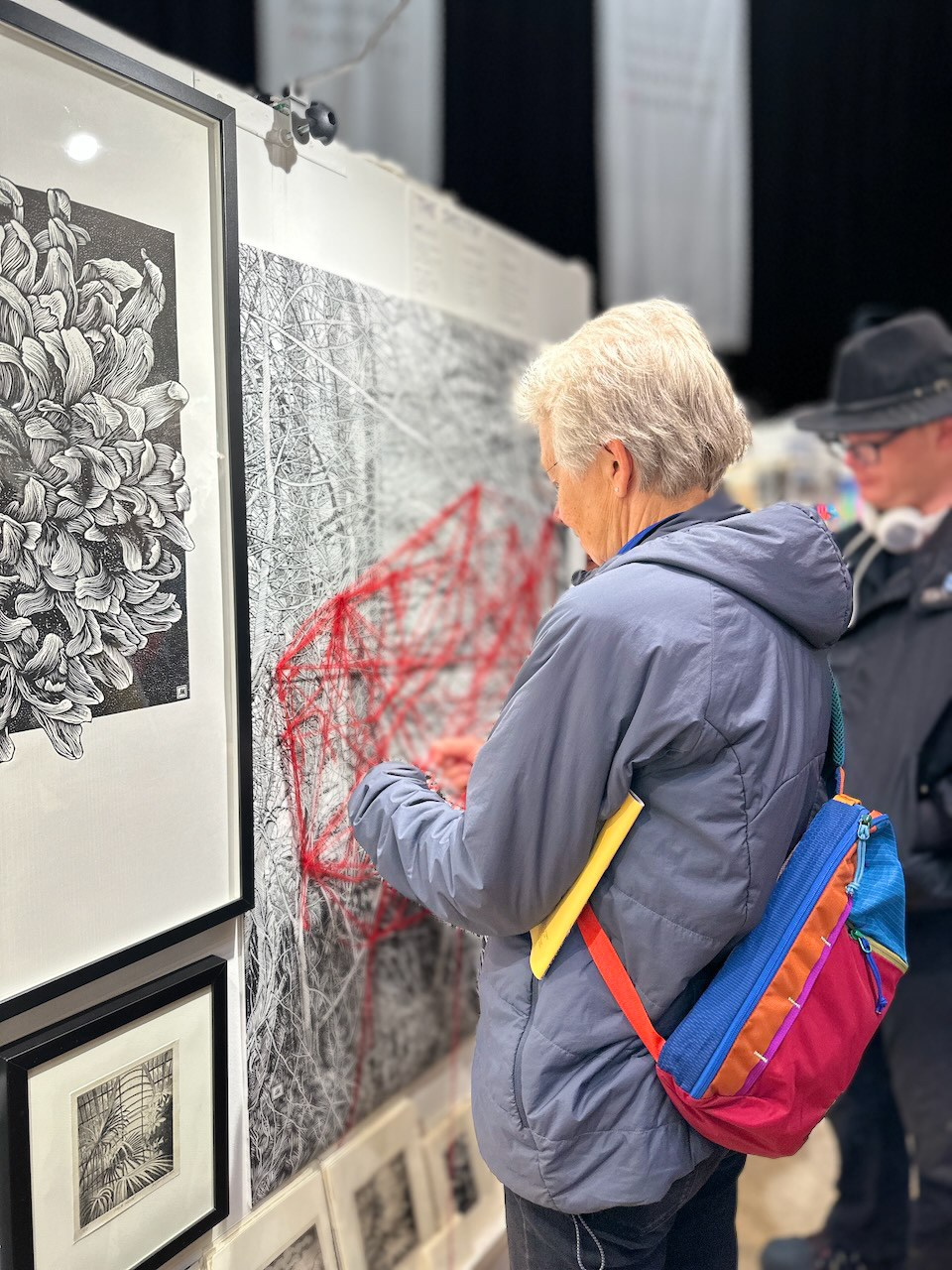
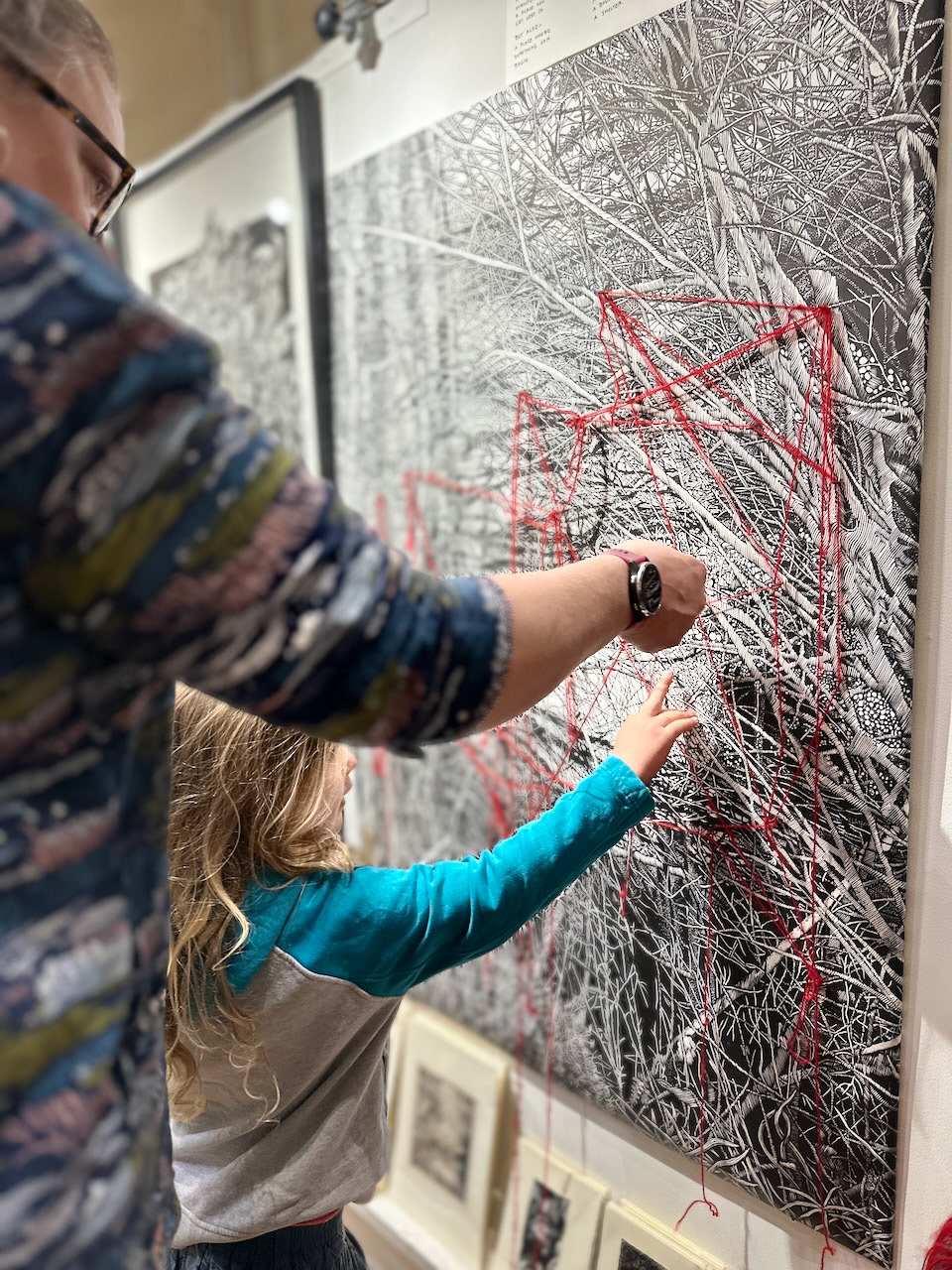
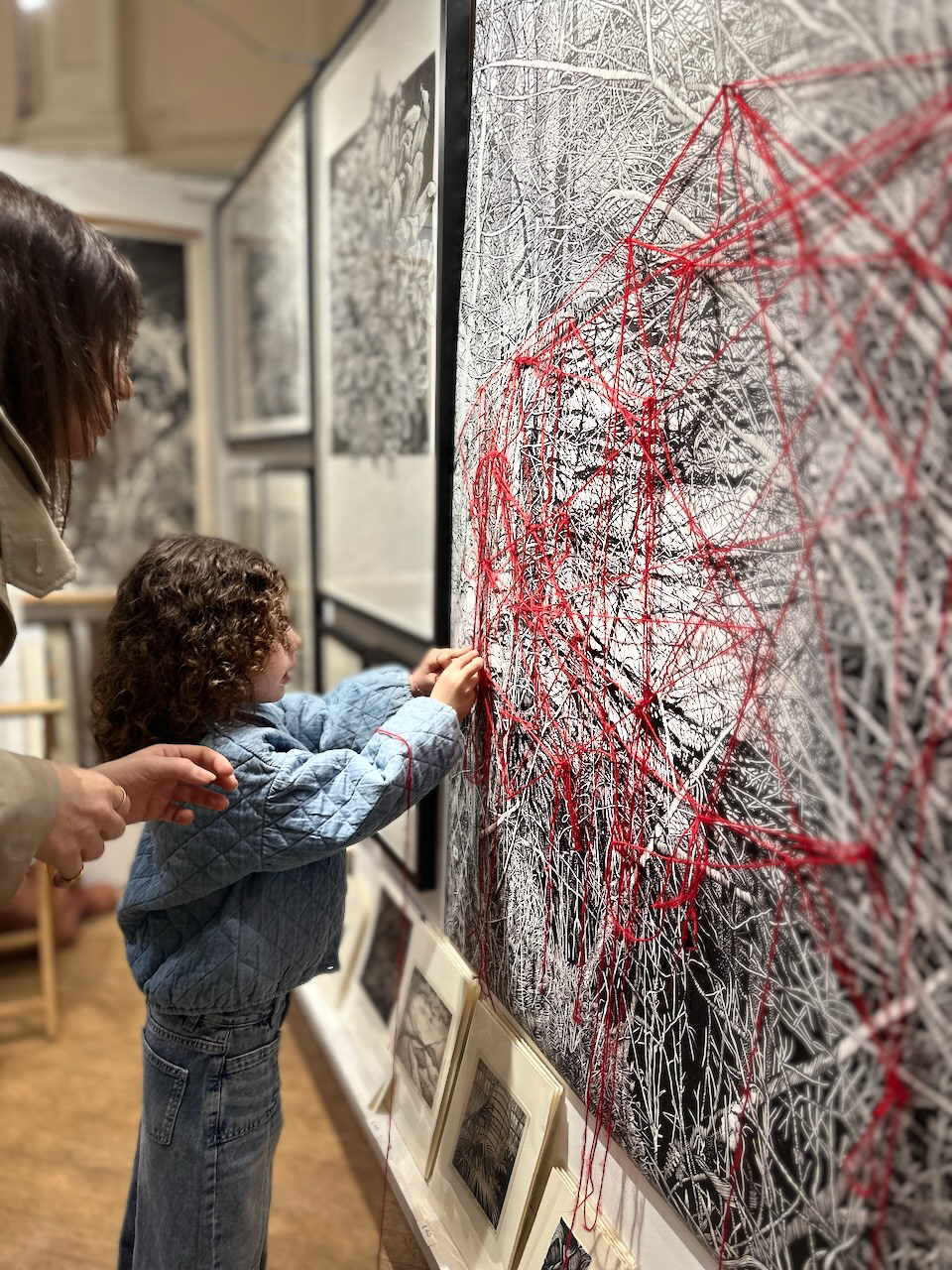
Over the weekend, this quietly unfolded into a shared action.
In the end, 90 people took part, each weaving their own trace into the work.
WHAT THE SHELTER IS?
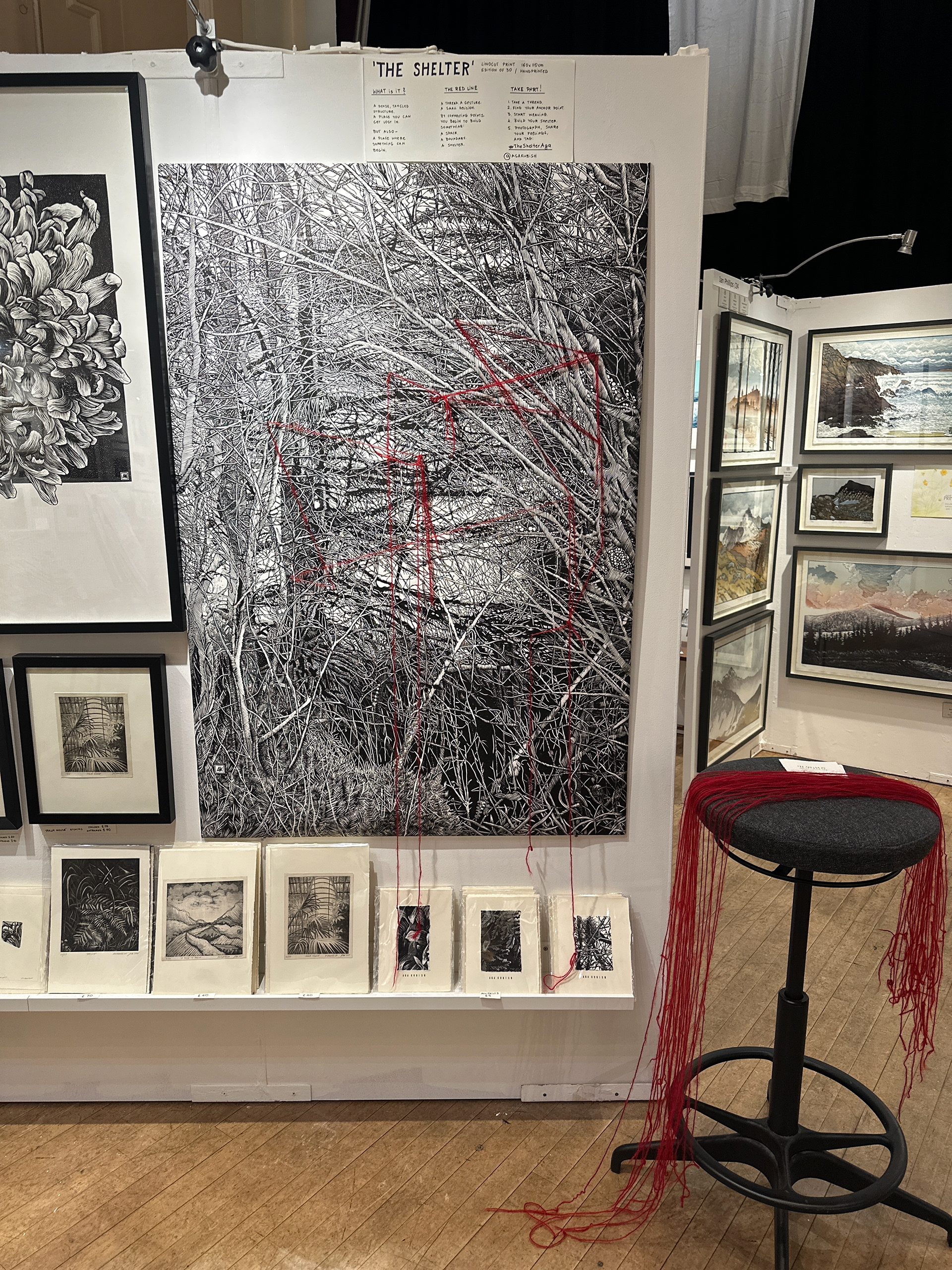
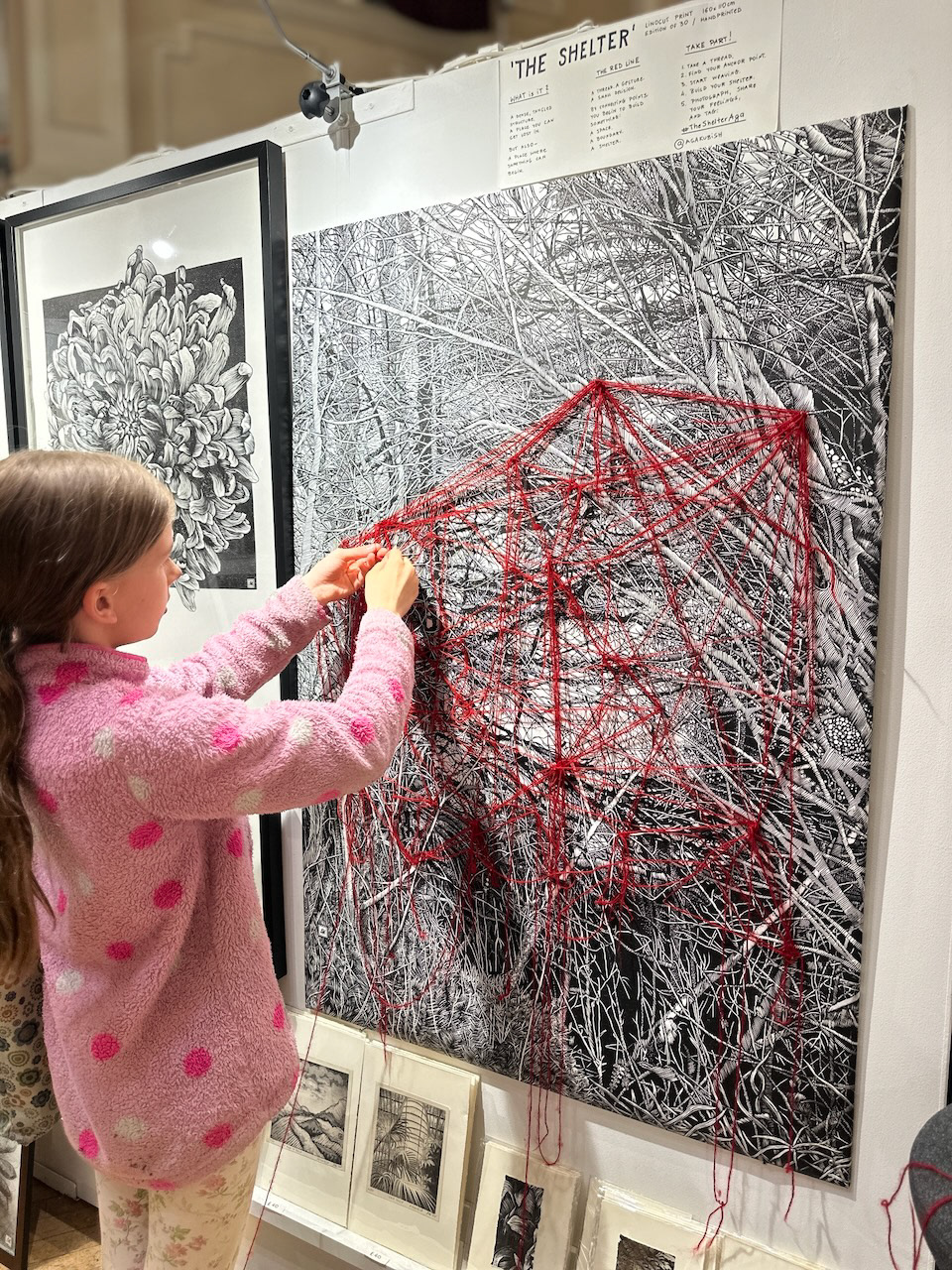
The Shelter is a large-scale linocut built from a dense, entangled structure of branches and lines - a reflection of the layered, shifting reality we move through.
It holds both tension and adaptation: a space that can overwhelm, but also one that teaches how to navigate and remain.
It holds both tension and adaptation: a space that can overwhelm, but also one that teaches how to navigate and remain.
Embedded within the print are small, almost invisible nails - anchor points that must be actively searched for.
They are not given.
They represent moments of grounding: relationships, decisions, and inner positions that allow us to orient ourselves within complexity.
They are not given.
They represent moments of grounding: relationships, decisions, and inner positions that allow us to orient ourselves within complexity.
At the centre of the work is the Red Line - a simple thread introduced as a gesture.
It is a decision made in real time: to act, to connect, to begin.
It is a decision made in real time: to act, to connect, to begin.
As the thread is woven across the surface, linking chosen anchor points, a structure starts to emerge.
Not imposed, but constructed through action.
Not fixed, but continually negotiated.
A personal shelter.
Each interaction alters the work.
Each version is temporary.
Each version is temporary.
The Shelter is never complete - it exists only through participation.
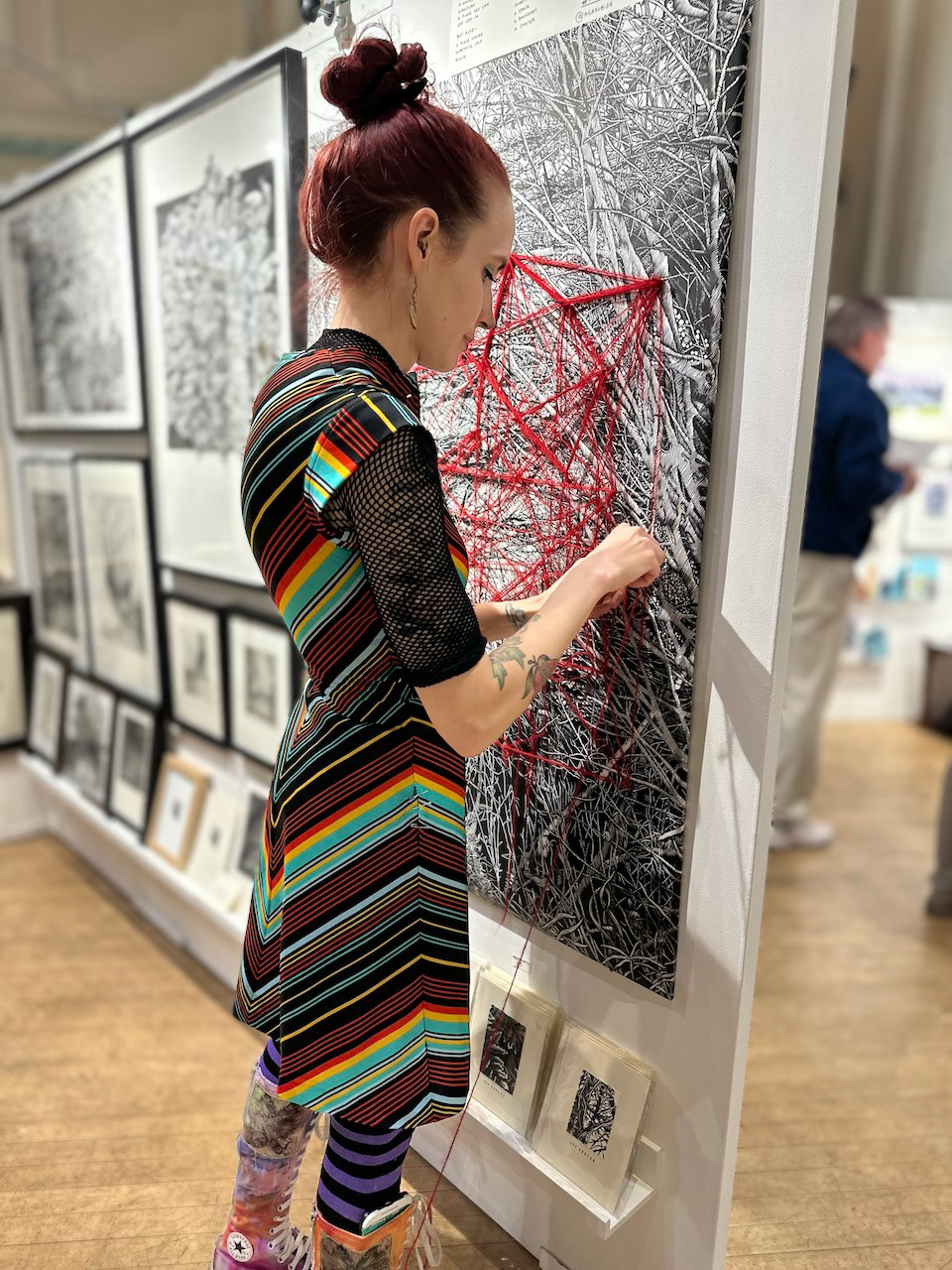
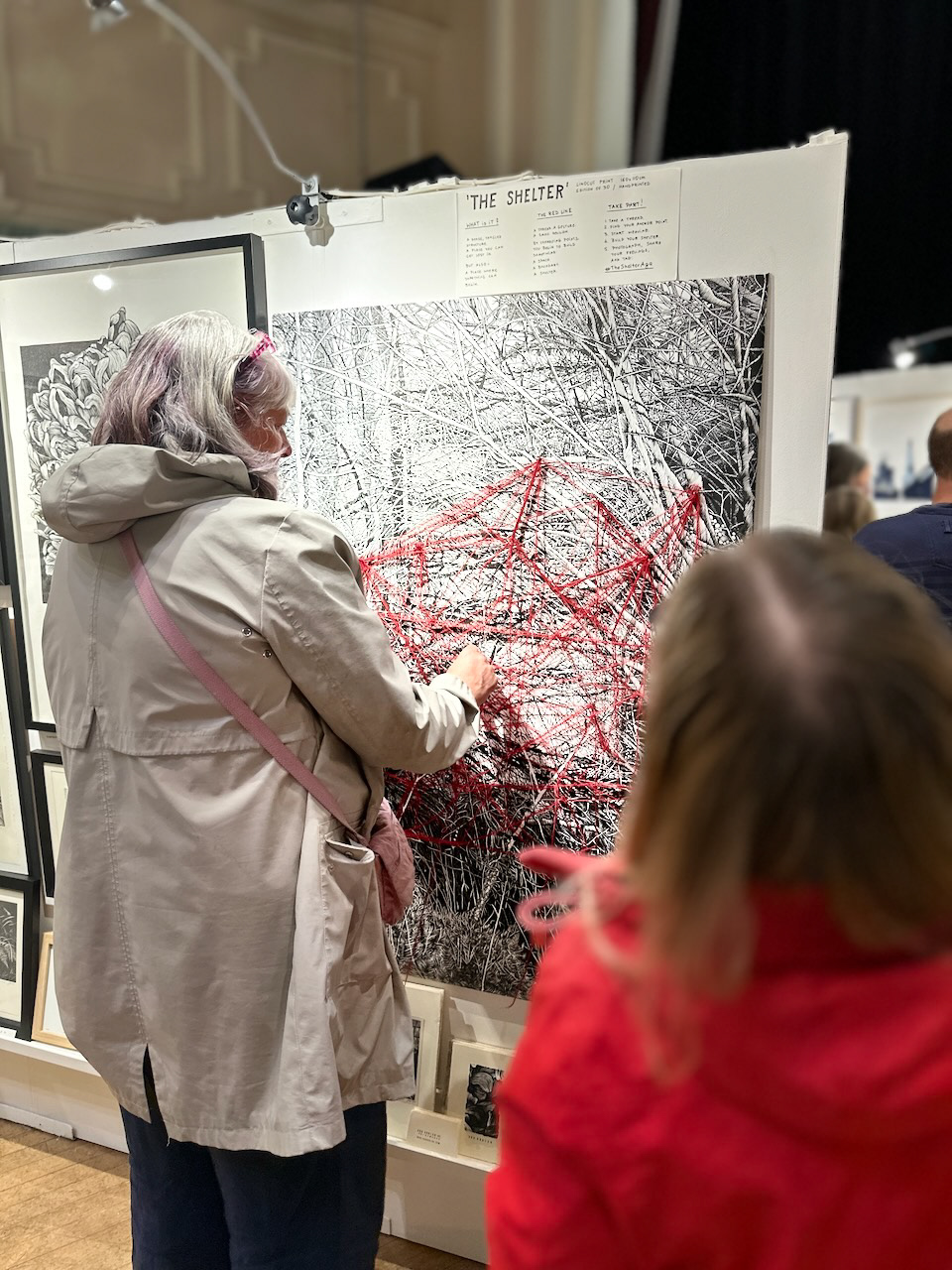
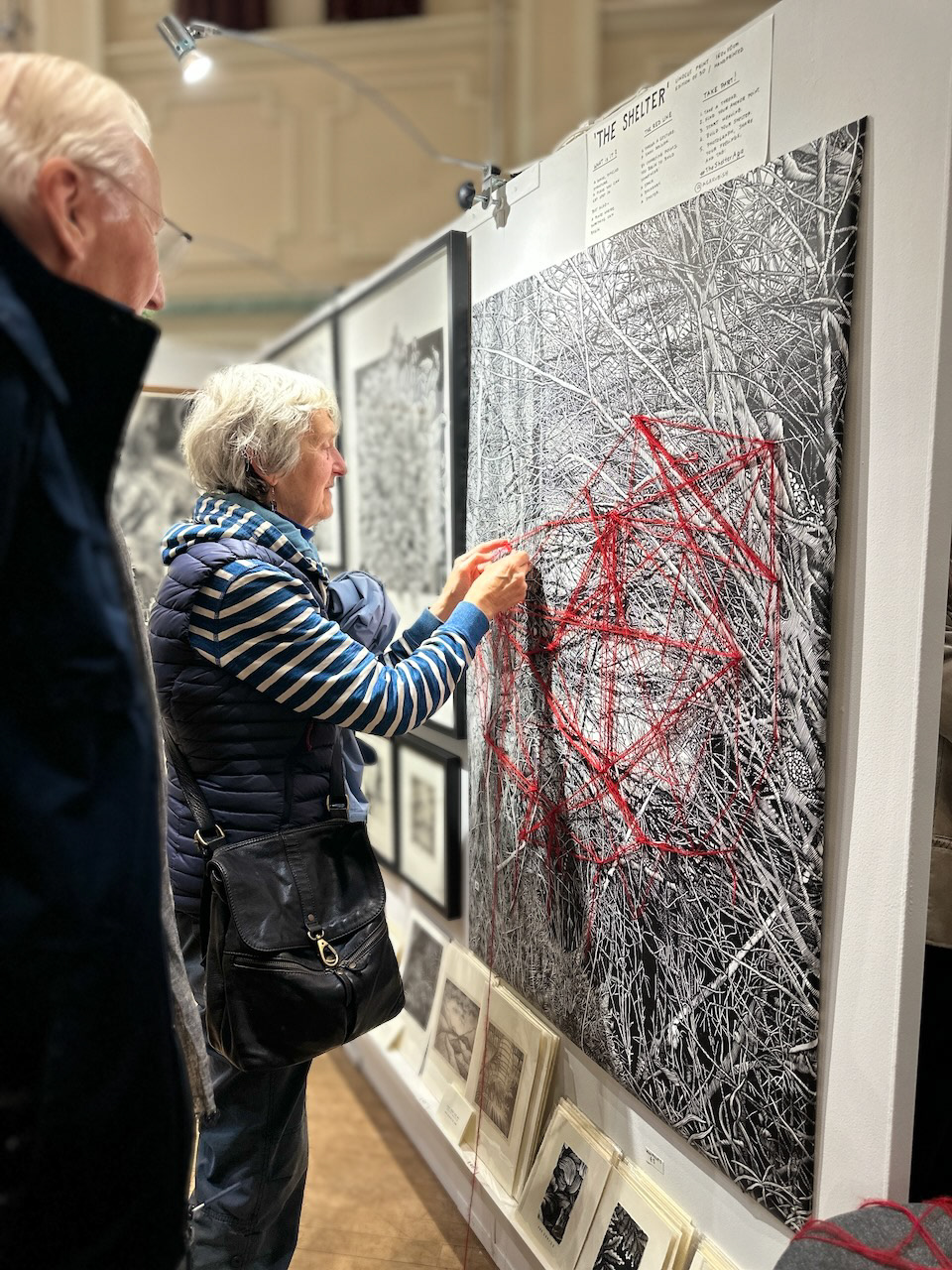
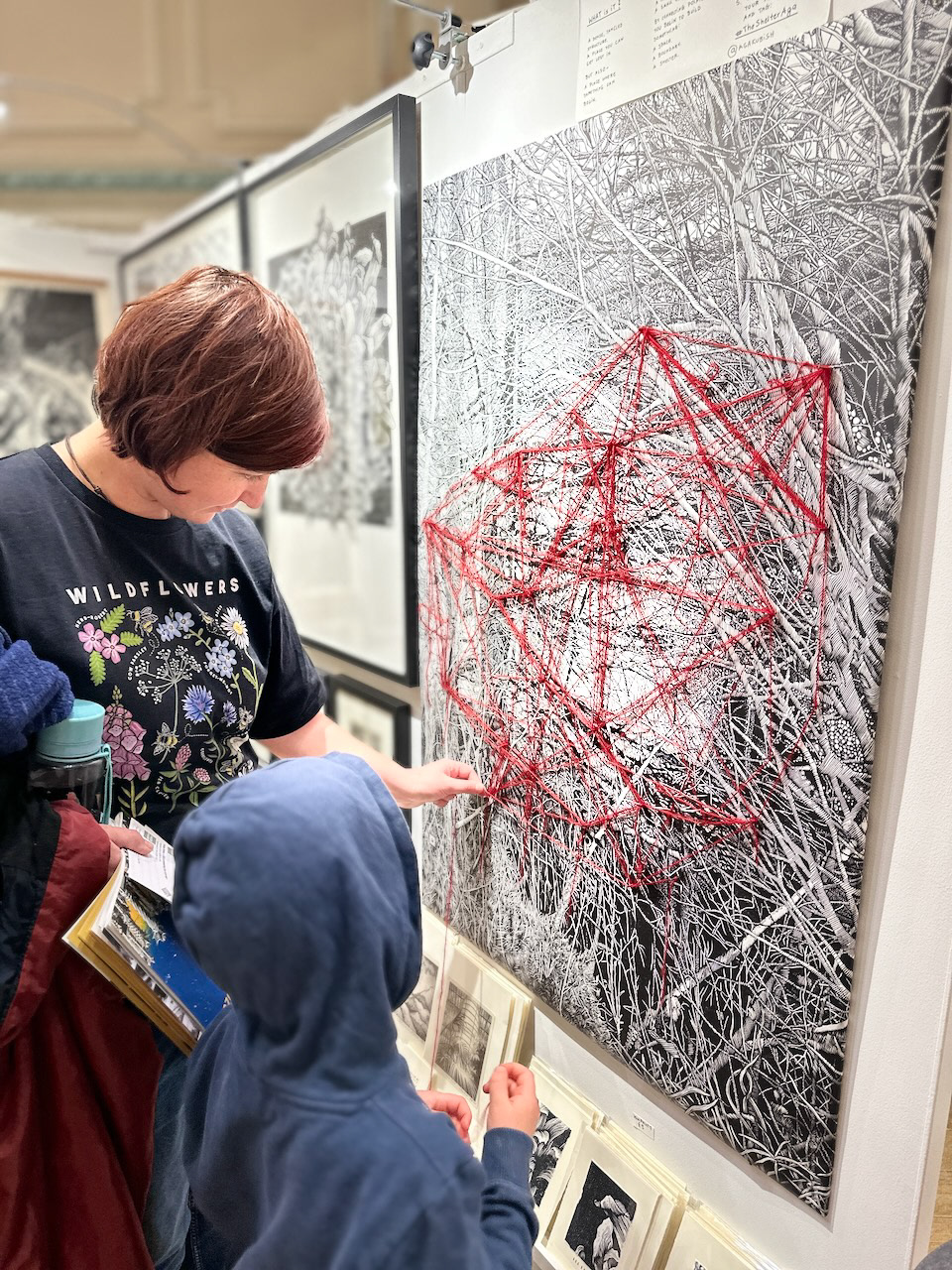
What surprised me most was the moment I let go.
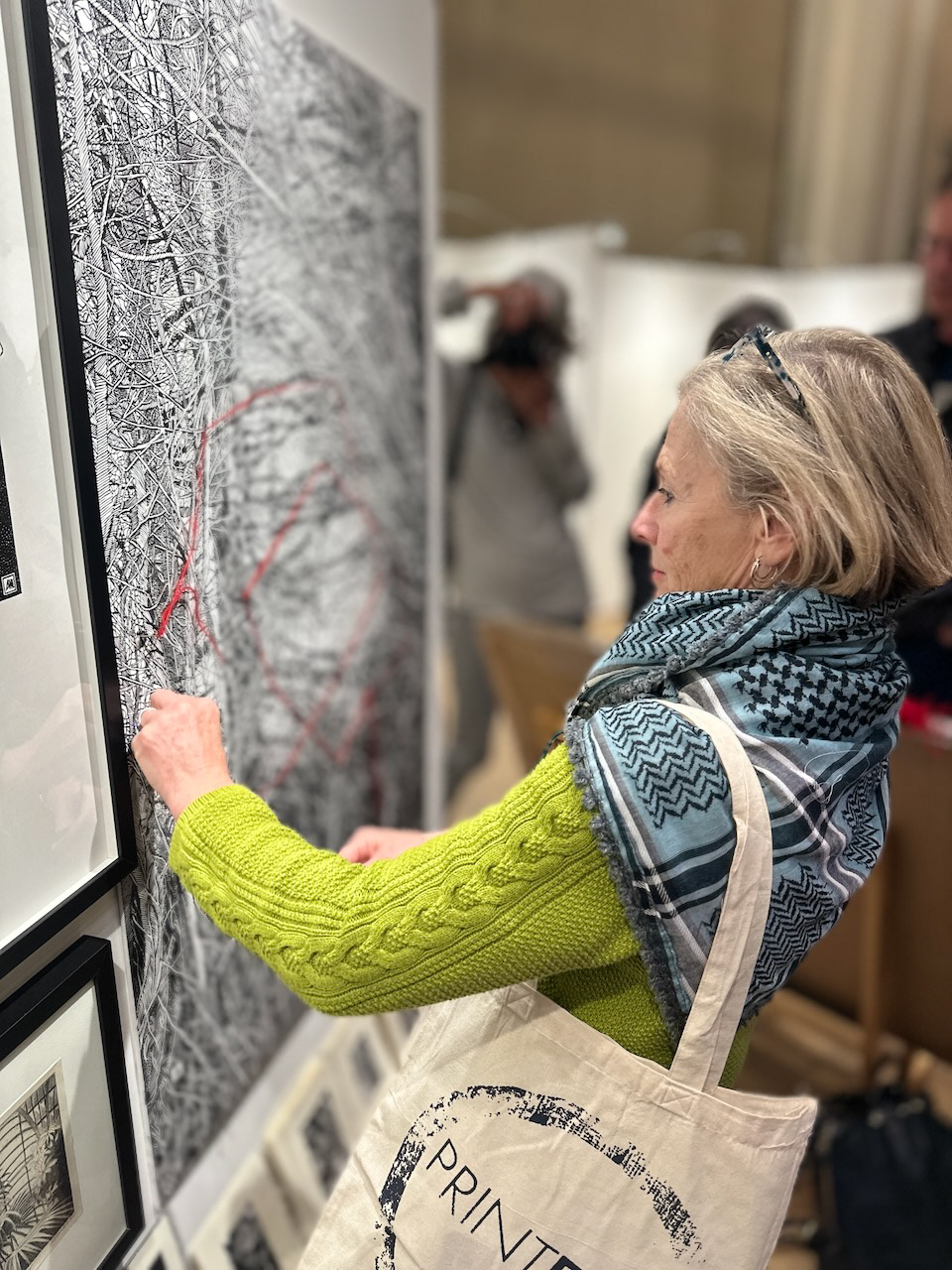
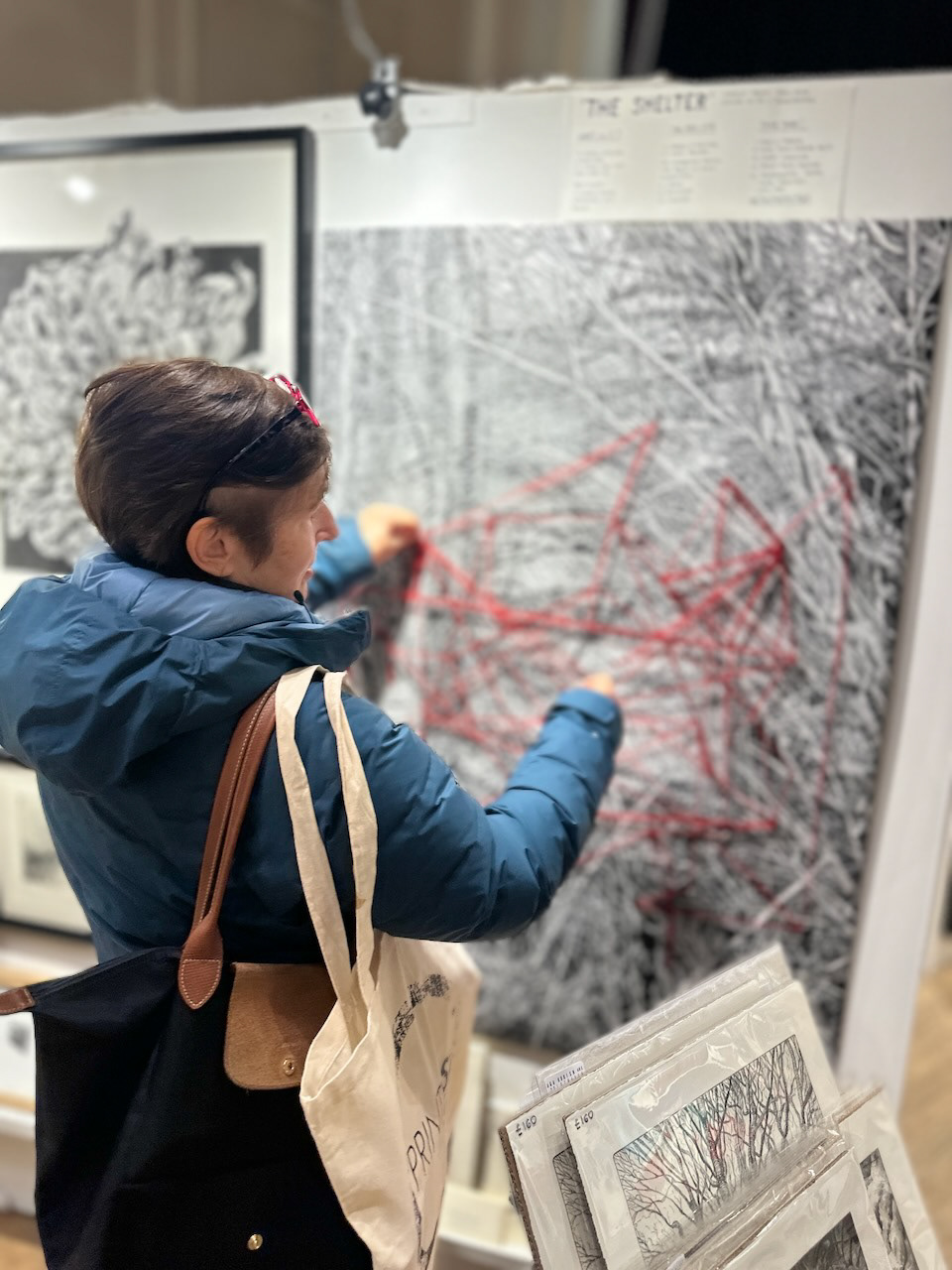
At Printfest, The Shelter stopped being just my work and became something shared. I stepped back and allowed people to take control — to decide where to begin, which anchor points to choose, how to move through the image.
There was no single way of building it.
There was no single way of building it.
Certain anchor points quickly became “popular” — repeatedly chosen, reinforced, layered with dense crossings of thread. Others remained almost untouched, overlooked or used only once, as if waiting to be discovered later.
Two distinct behaviours began to emerge. Some participants were drawn to what was already visible — following existing lines, strengthening familiar paths, building density through repetition. Others intentionally searched for the less obvious — the “lonely” anchors — extending the structure outward, redistributing tension across the image.
There were moments of hesitation. A few people paused for a long time, unable to decide where to begin — faced with too many possibilities. Some chose the edges of the print, creating new, unexpected anchor points beyond the given system.
Others moved instinctively. Without reading, without asking — they simply picked up the thread and began.
When the thread slipped or fell from the nails, it created brief moments of uncertainty — almost panic. But no one stopped. They adjusted, wrapped the thread differently, secured it, and continued — finding their own solutions in real time.
Towards the end of each weaving, a subtle shift occurred. Participants began to move away from the most used anchors, consciously or intuitively choosing the less occupied ones — as if seeking balance within the structure.
Even the idea of “finishing” varied. Some tied knots. Others wrapped the thread multiple times around a nail. Some simply left it hanging, unresolved.
One participant focused entirely on building a “roof” — stating that a shelter must have a roof.
Another avoided the anchors altogether, weaving thread through existing threads, creating a parallel structure within the structure.
Another avoided the anchors altogether, weaving thread through existing threads, creating a parallel structure within the structure.
What emerged was not a fixed form, but a living process.
Line by line, thread by thread, the work grew through individual decisions. Patterns appeared, shifted, and re-formed. Certain areas became intense, almost gravitational. Others remained open, waiting.
The Shelter became a social act — a space where control was shared, not imposed.
And in that space, something subtle but important happened:
people didn’t just follow instructions — they responded, adapted, negotiated, and created.
people didn’t just follow instructions — they responded, adapted, negotiated, and created.
Not a finished object,
but a continuously forming presence.
but a continuously forming presence.
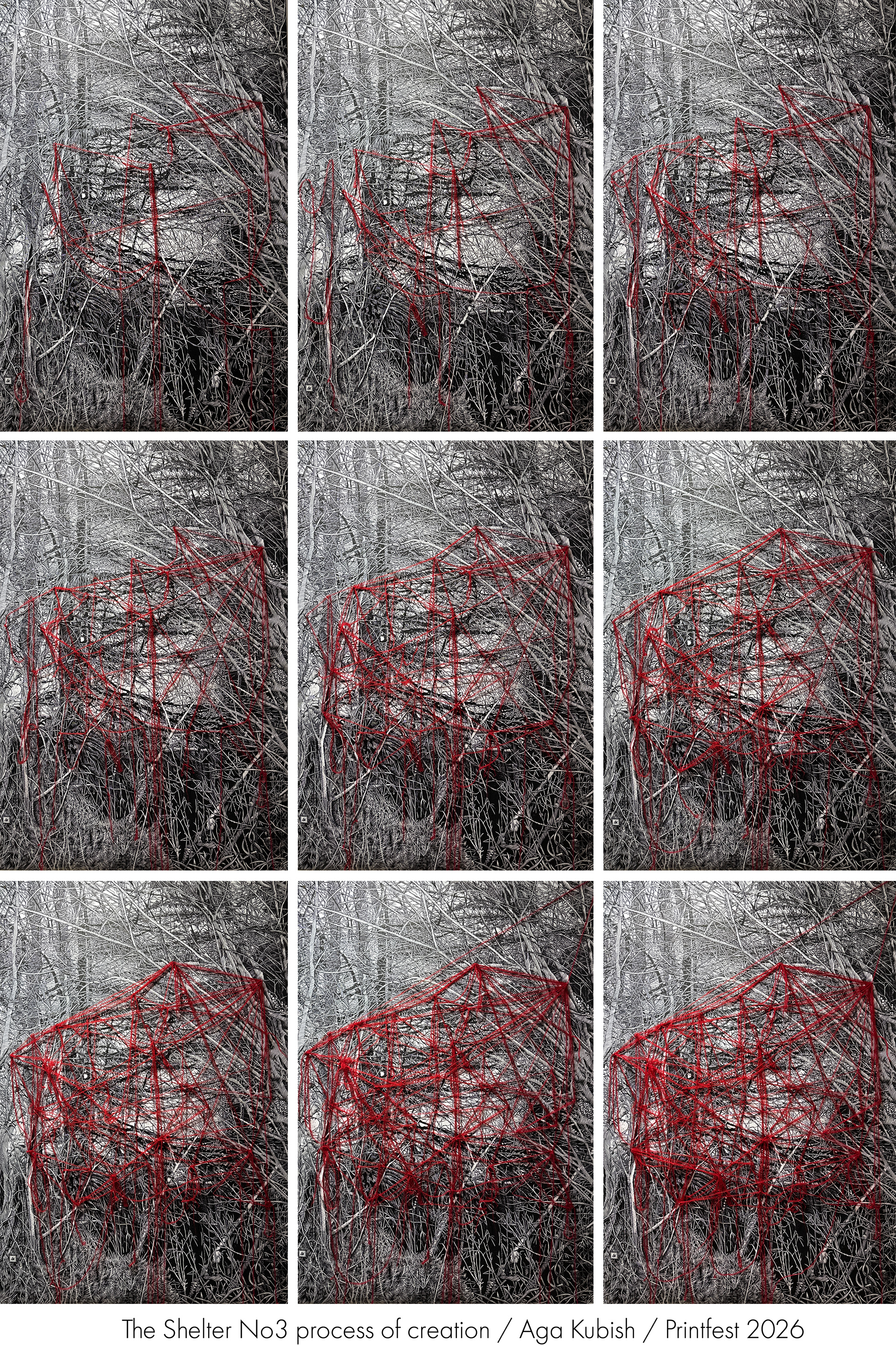
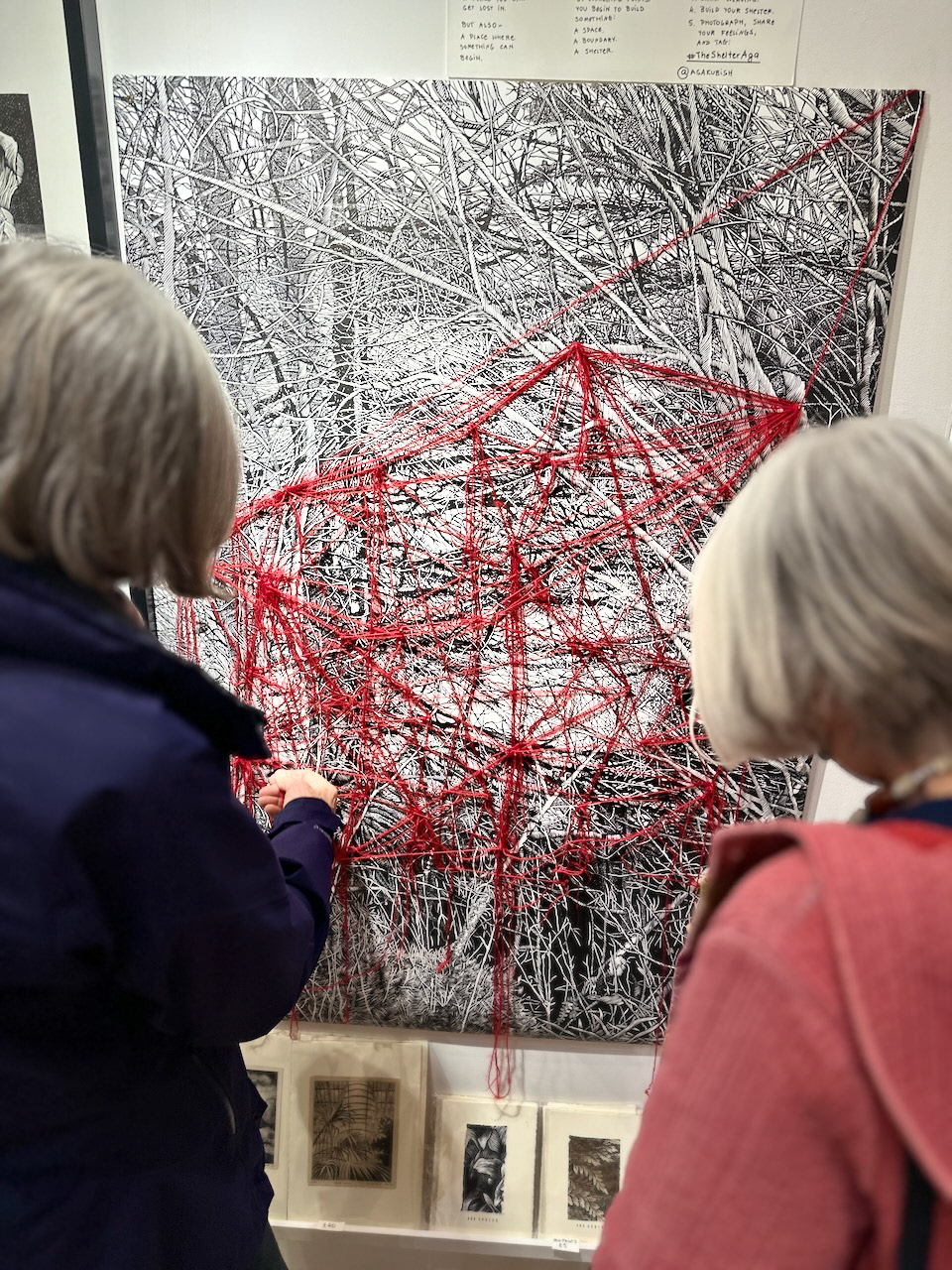
The Shelter does not appear all at once — it is constructed gradually, through accumulation.
Each thread begins as a single decision: a starting point, a direction, a connection. At first, the structure feels fragile, almost uncertain — a few lines suspended within the density of the print. But with each new gesture, the network grows.
Lines begin to overlap, reinforce, and contradict one another. Some paths are repeated, becoming dense and structural. Others remain singular — traces of a moment, left behind. The form emerges not from a plan, but from a sequence of actions.
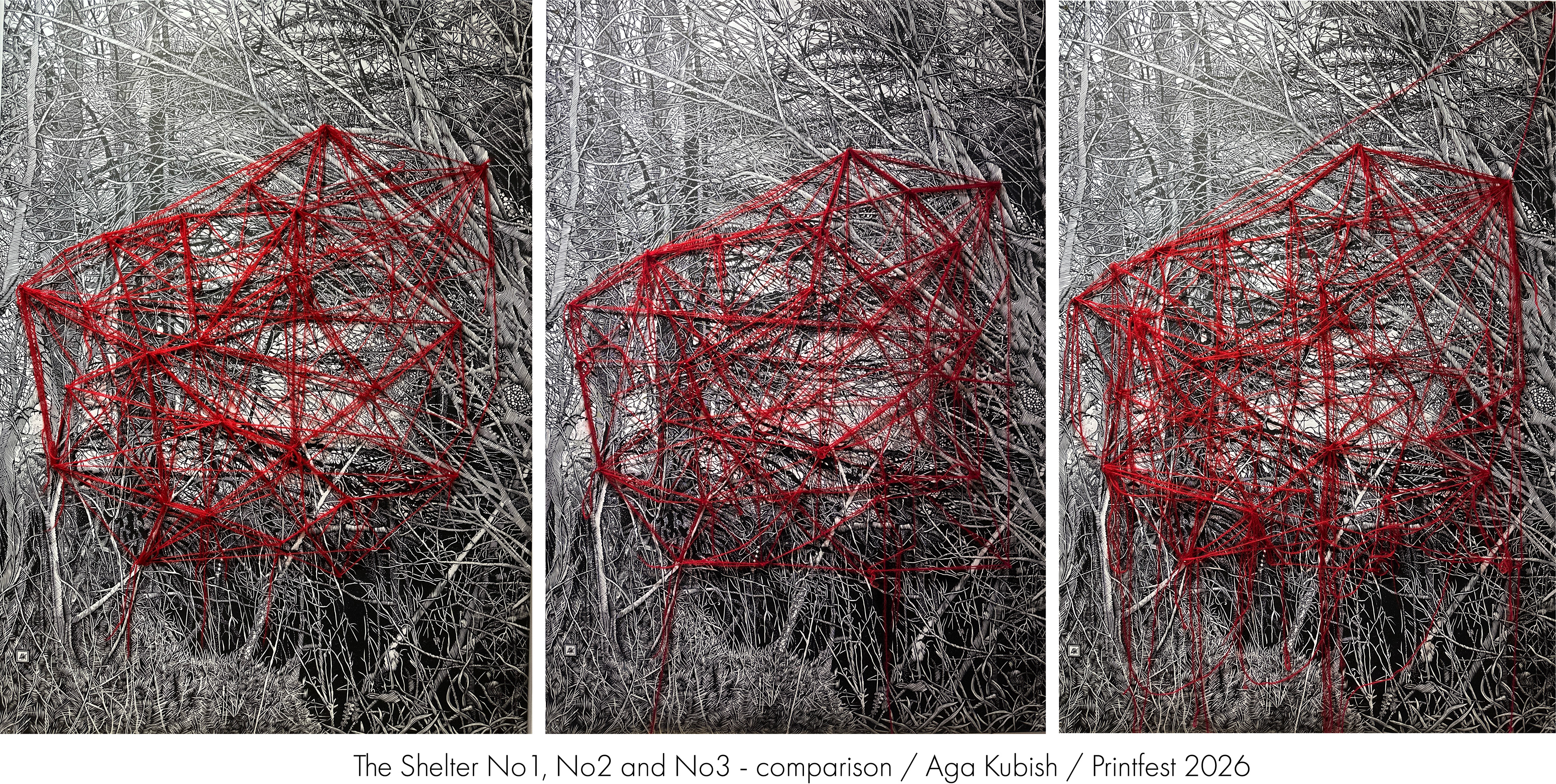
Across the three iterations — The Shelter No1, No2 and No3 — this process revealed both consistency and variation.
Each structure began from a similar state of openness, yet evolved into a distinct configuration. Despite being created by different participants, all three tended towards a contained, almost enclosing form — suggesting an intuitive drive to construct boundaries within complexity.
Each structure began from a similar state of openness, yet evolved into a distinct configuration. Despite being created by different participants, all three tended towards a contained, almost enclosing form — suggesting an intuitive drive to construct boundaries within complexity.
At the same time, their internal organisation differed.
In some versions, density accumulated rapidly around a few dominant anchor points, creating concentrated, almost centralised clusters. In others, the structure expanded more evenly, with threads distributed across a wider field, resulting in a more open and dispersed network.
In some versions, density accumulated rapidly around a few dominant anchor points, creating concentrated, almost centralised clusters. In others, the structure expanded more evenly, with threads distributed across a wider field, resulting in a more open and dispersed network.
The rhythm of construction also varied.
Certain iterations developed through repetition — participants reinforcing existing lines and following visible paths. Others were shaped by divergence — new directions interrupting established patterns, introducing tension and variation into the system.
Certain iterations developed through repetition — participants reinforcing existing lines and following visible paths. Others were shaped by divergence — new directions interrupting established patterns, introducing tension and variation into the system.
These differences did not depend on the number of participants, but on how decisions were made in sequence — whether through imitation, intuition, or deliberate contrast.
What becomes visible is not a fixed design, but a process of construction — a temporary architecture built through attention, repetition, and variation.
The Shelter is not drawn.
It is assembled.
It is assembled.
The material gathered during these iterations forms a central part of the research for my Final Project on the MA Fine Art: Printmaking at UWE Bristol.
Rather than documenting a fixed outcome, this work operates as an ongoing investigation into how form emerges through participation - how individual decisions, gestures, and interactions accumulate into a shared structure.
The three iterations of The Shelter function as comparative studies.
Each one begins from the same conditions, yet develops differently depending on the behaviour of participants — revealing patterns of repetition, hesitation, reinforcement, and divergence.
Each one begins from the same conditions, yet develops differently depending on the behaviour of participants — revealing patterns of repetition, hesitation, reinforcement, and divergence.
Through this process, the work shifts from object to system:
a framework within which form is not designed, but negotiated in real time.
a framework within which form is not designed, but negotiated in real time.
The research therefore focuses not only on the visual outcome, but on the dynamics that produce it - how people engage with openness, how they respond to uncertainty, and how they construct meaning through action.
By observing these interactions, the project begins to map the relationship between structure and agency - between what is given and what is made.
In this context, The Shelter becomes both artwork and method:
a space for testing how collective behaviour shapes form, and how form, in turn, influences behaviour.
a space for testing how collective behaviour shapes form, and how form, in turn, influences behaviour.
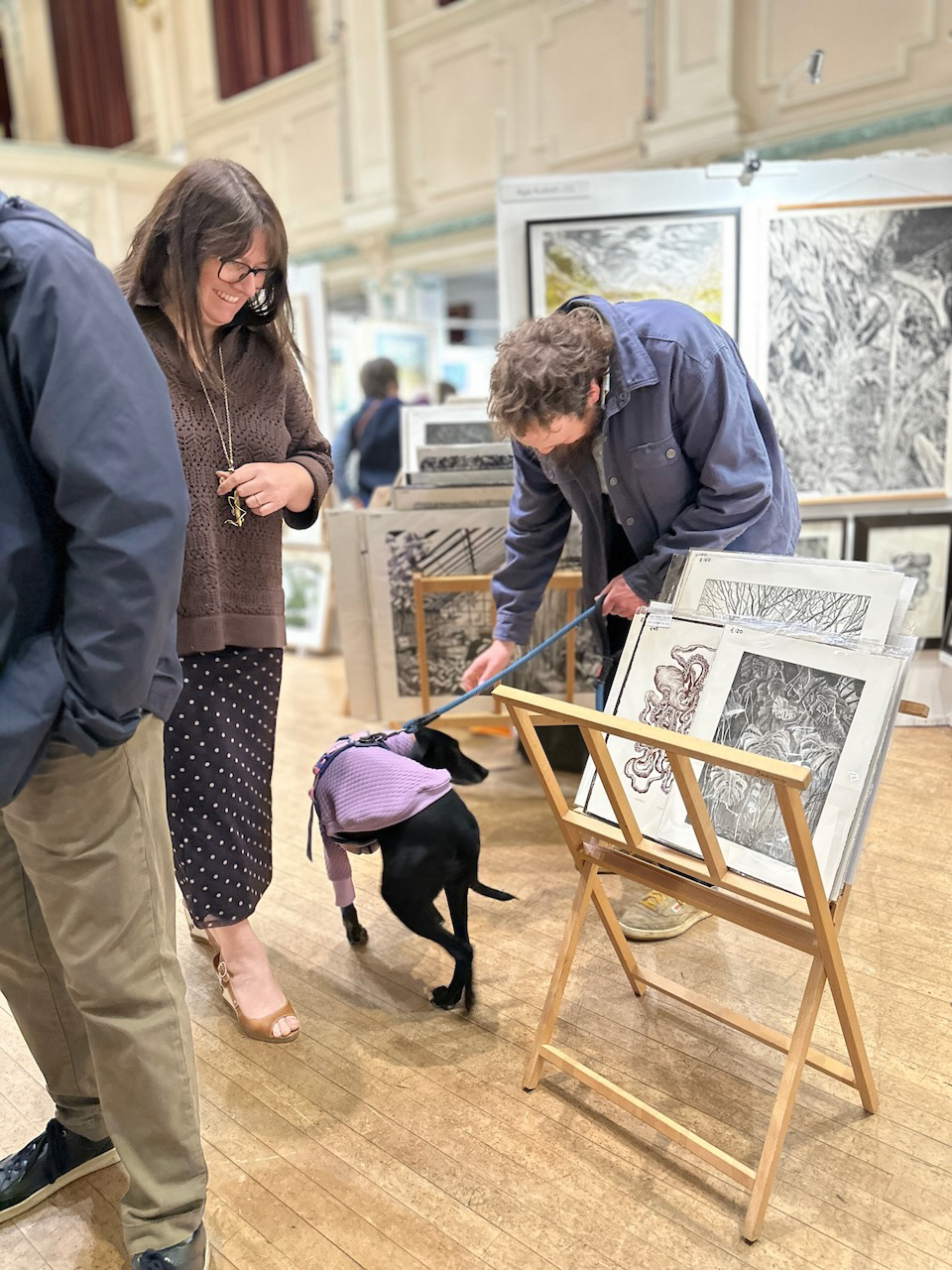
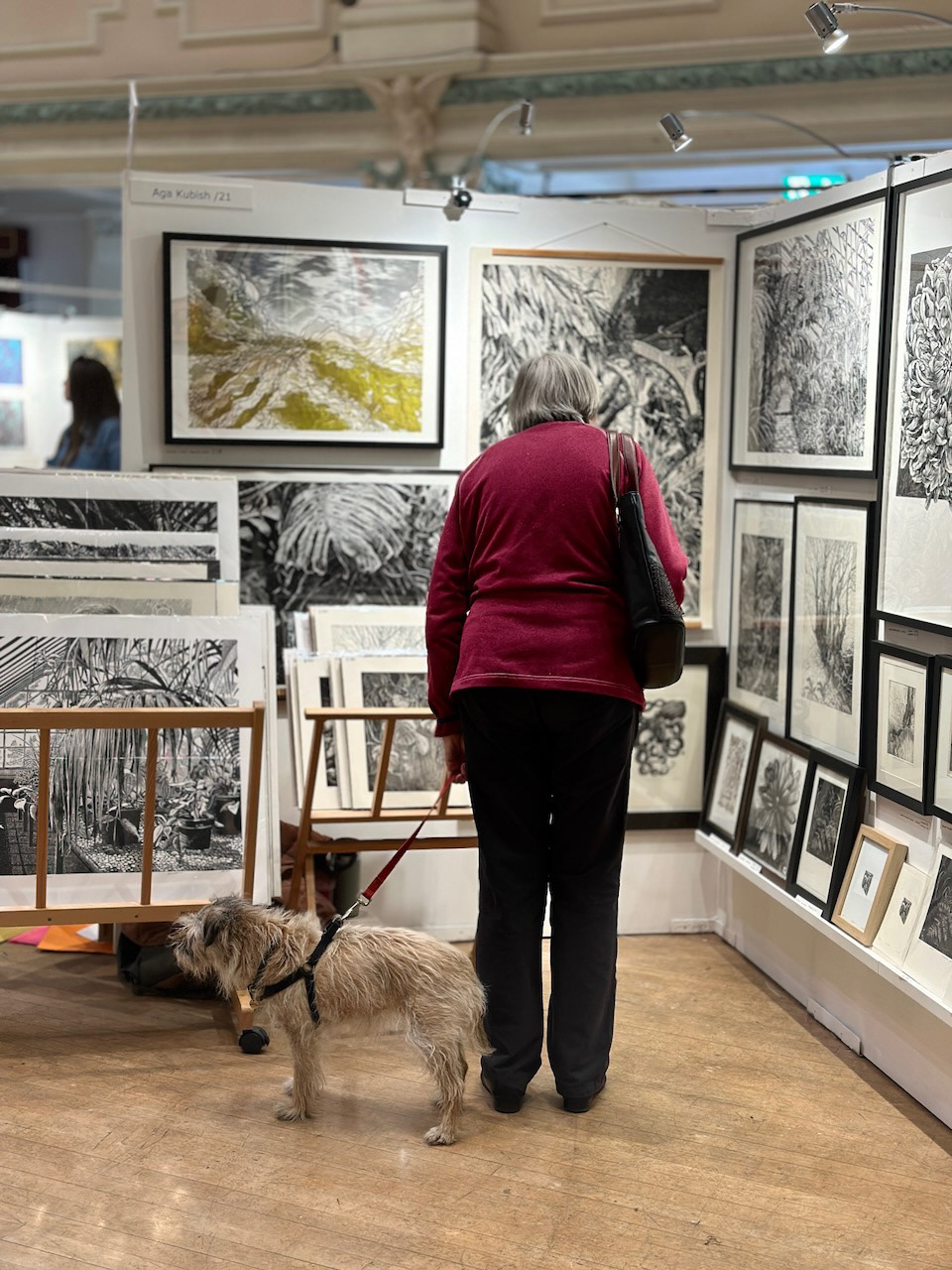
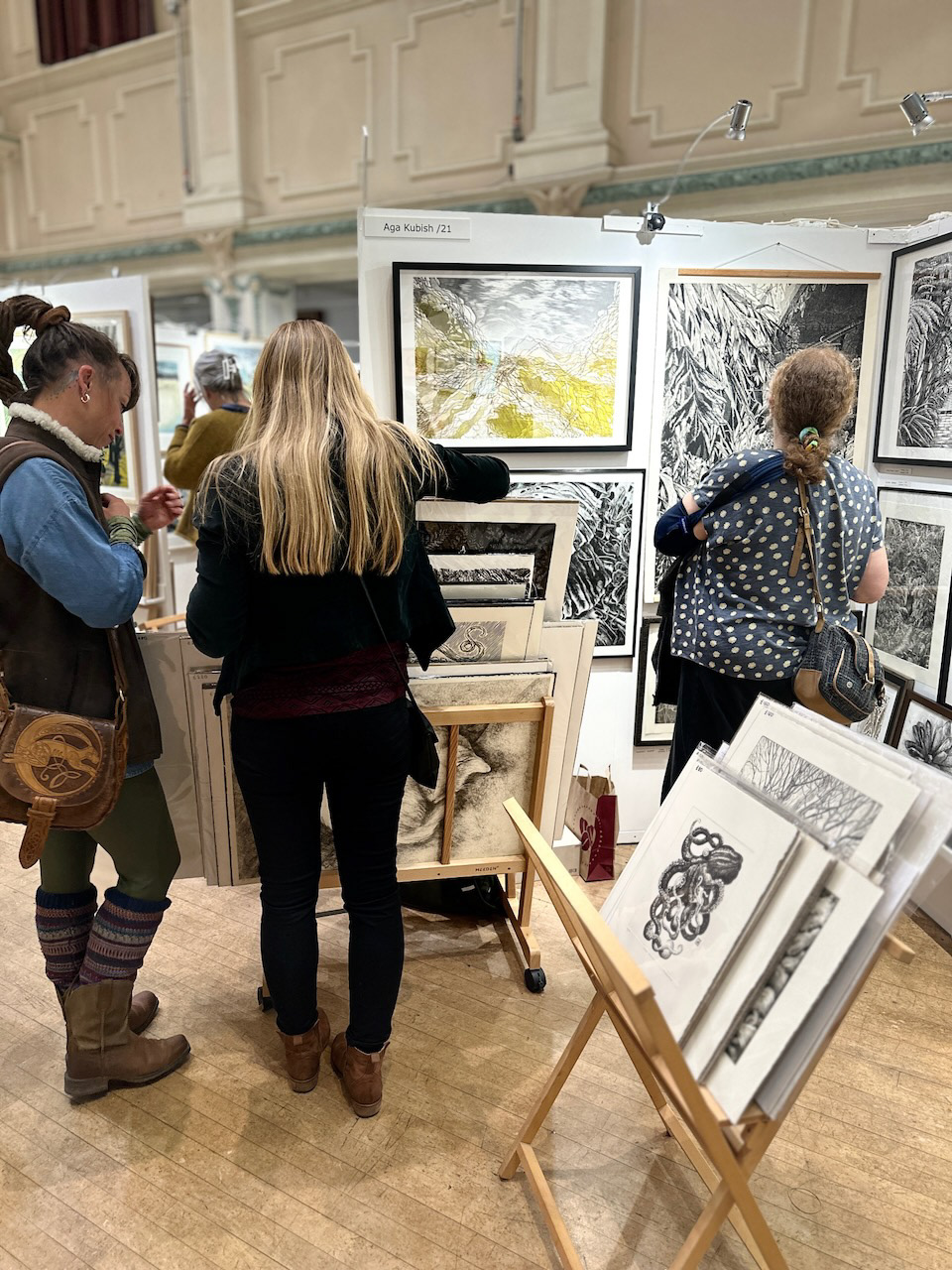
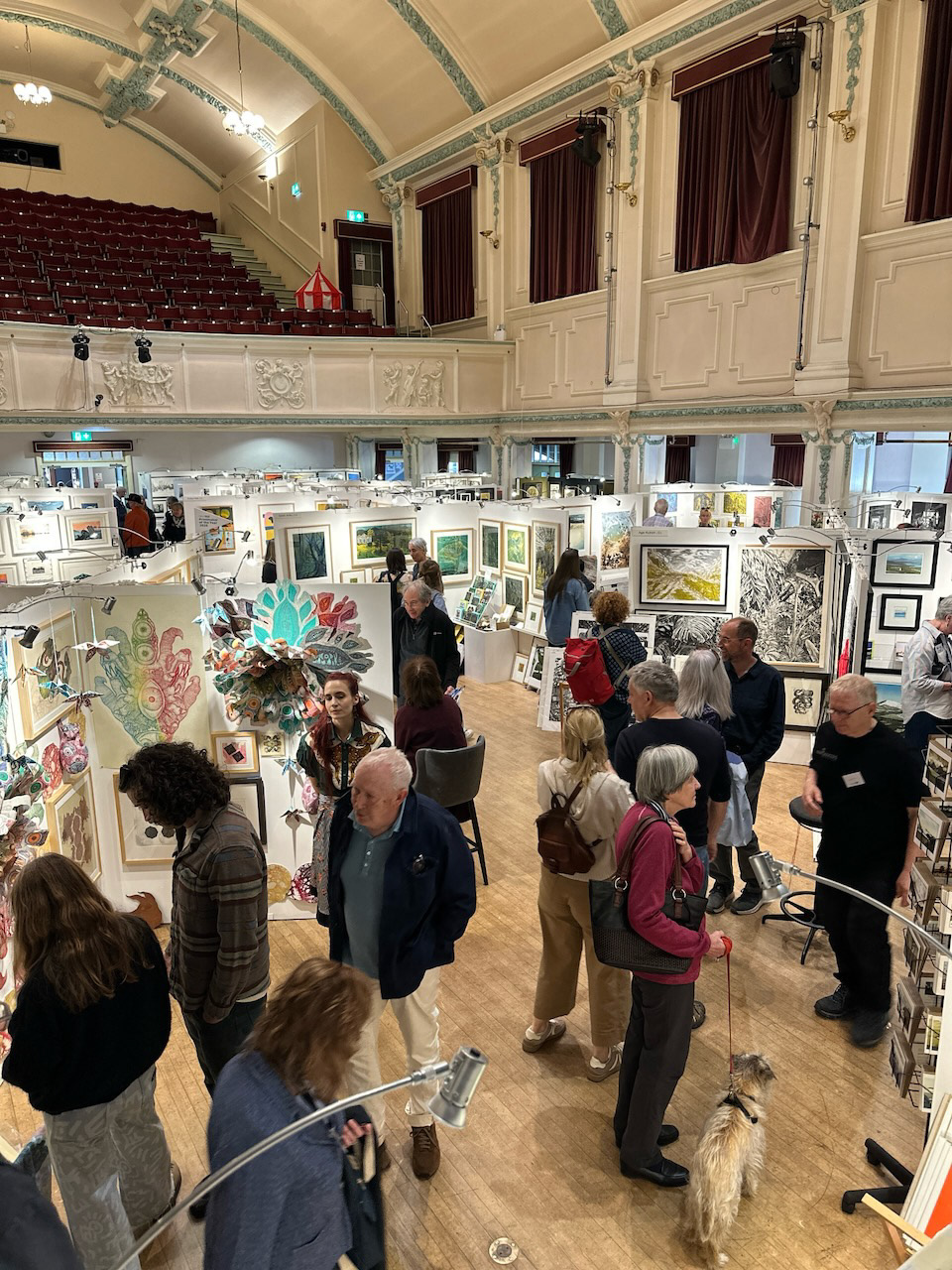
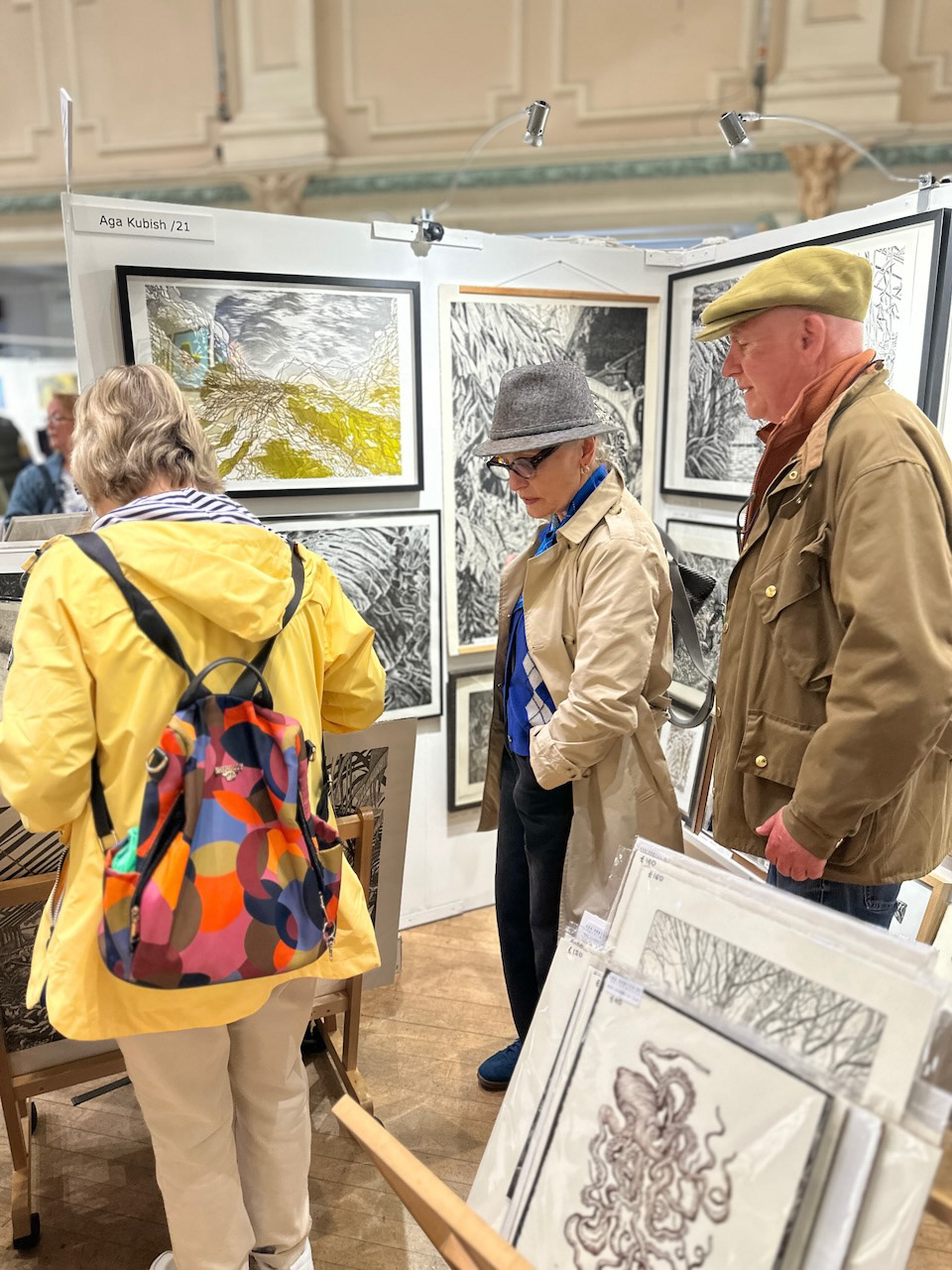
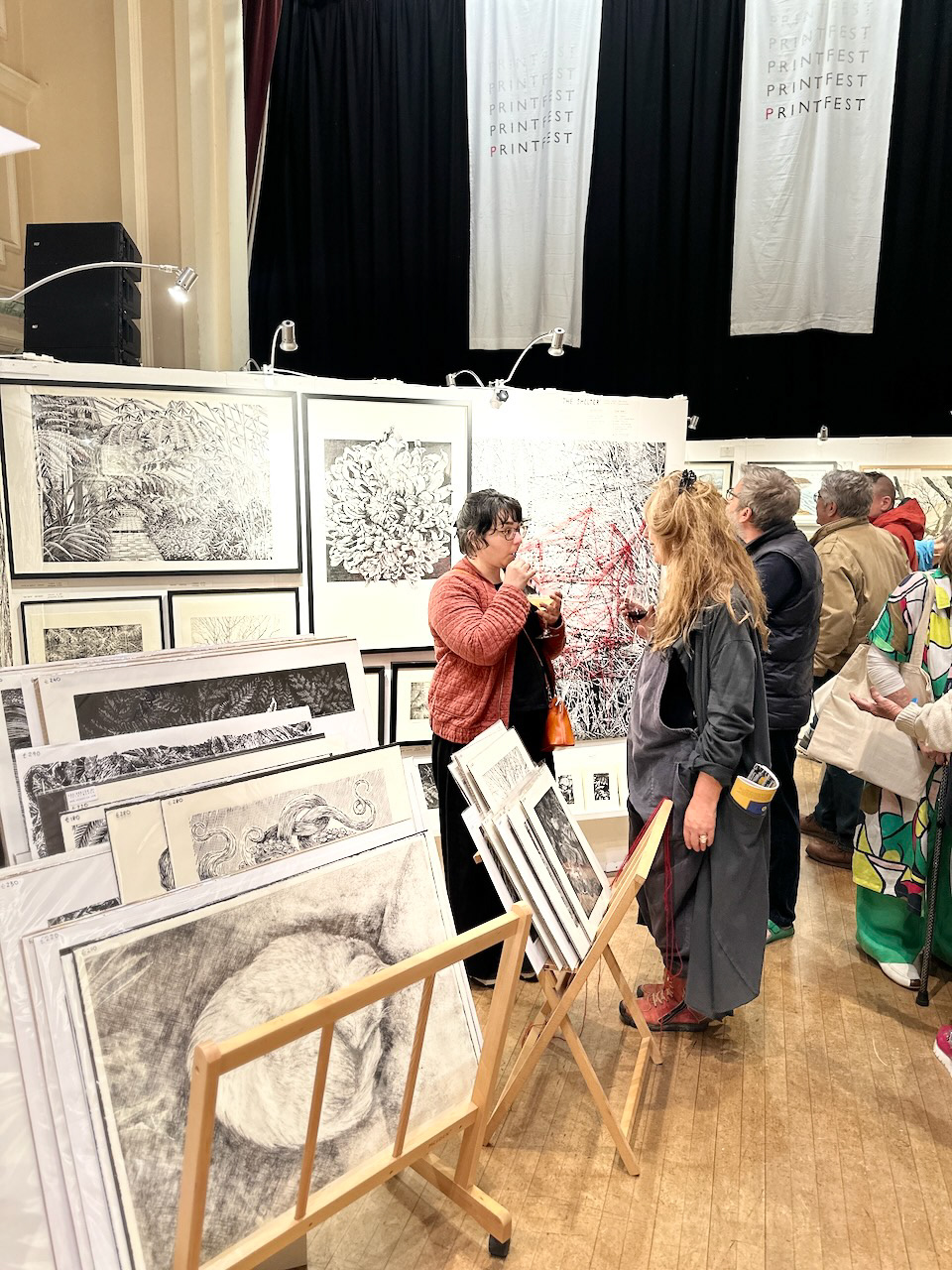
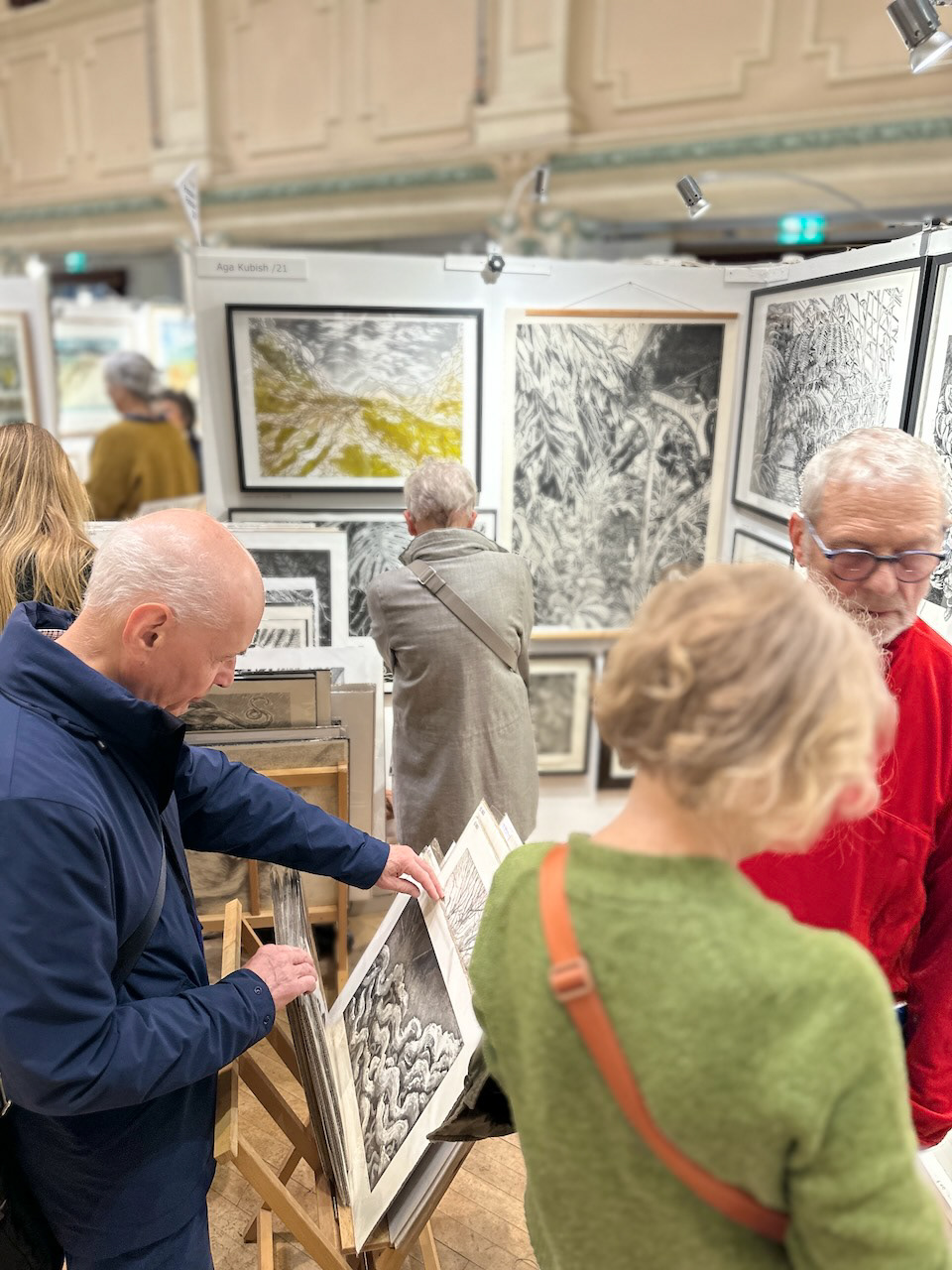
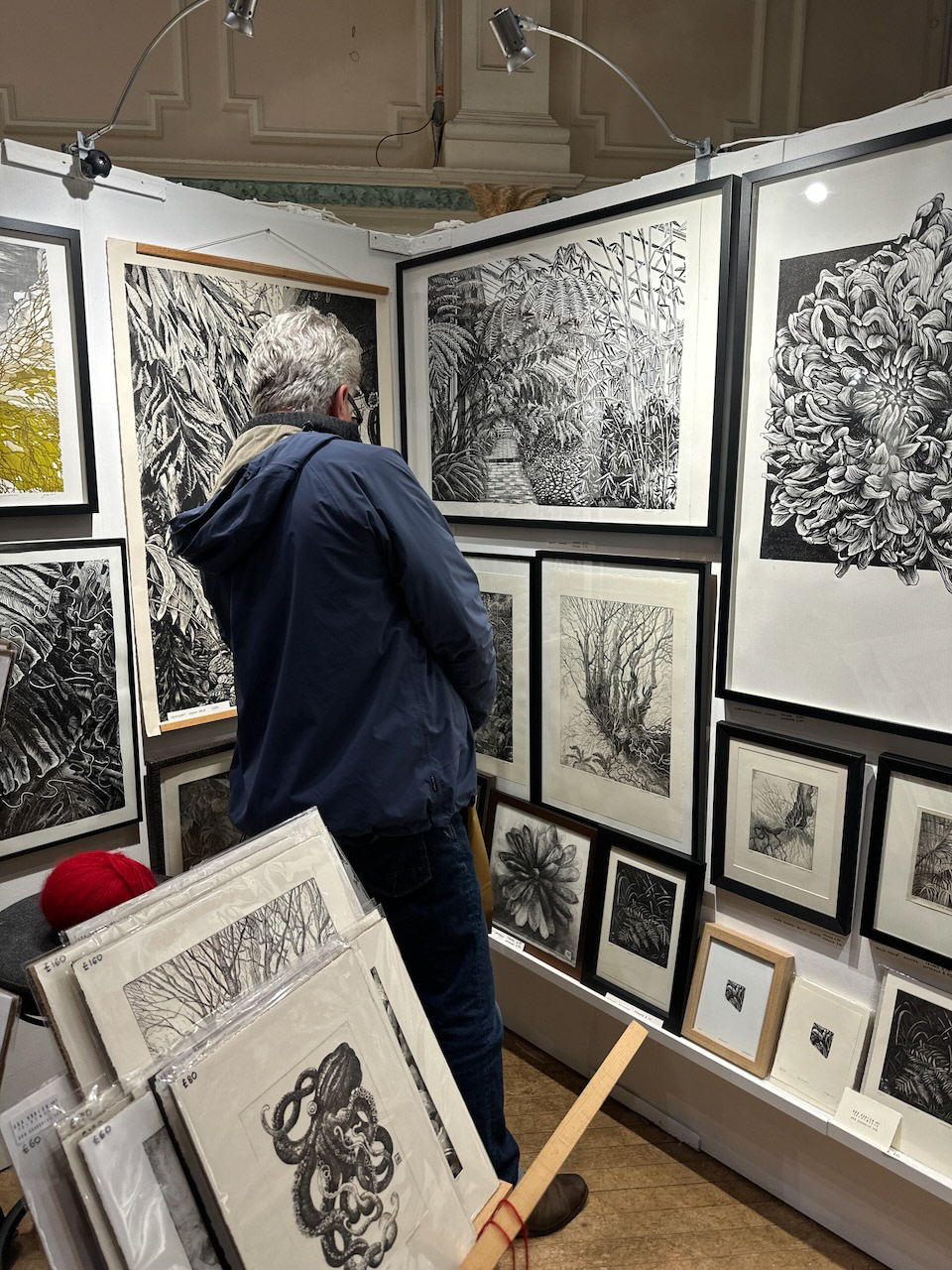
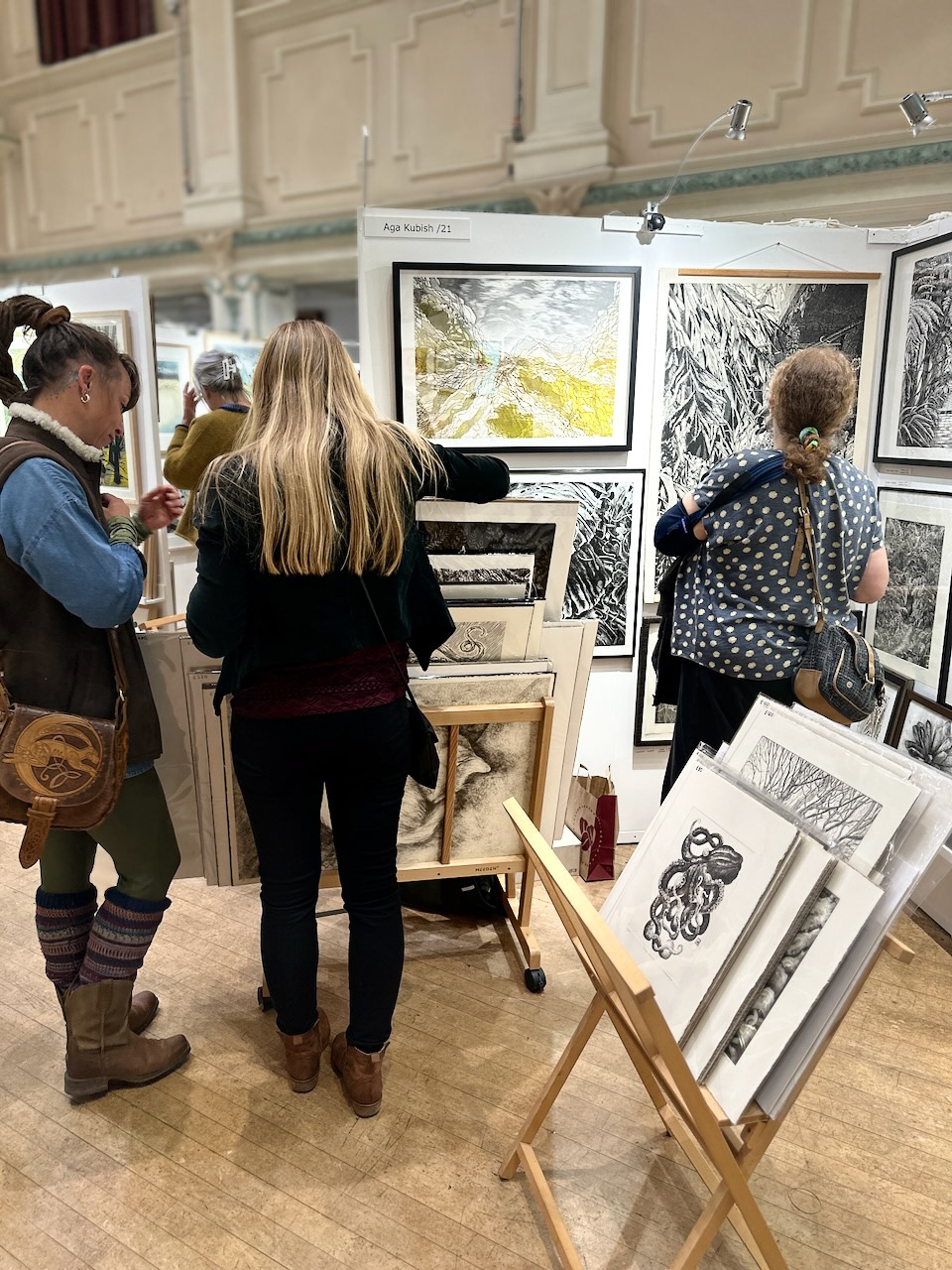
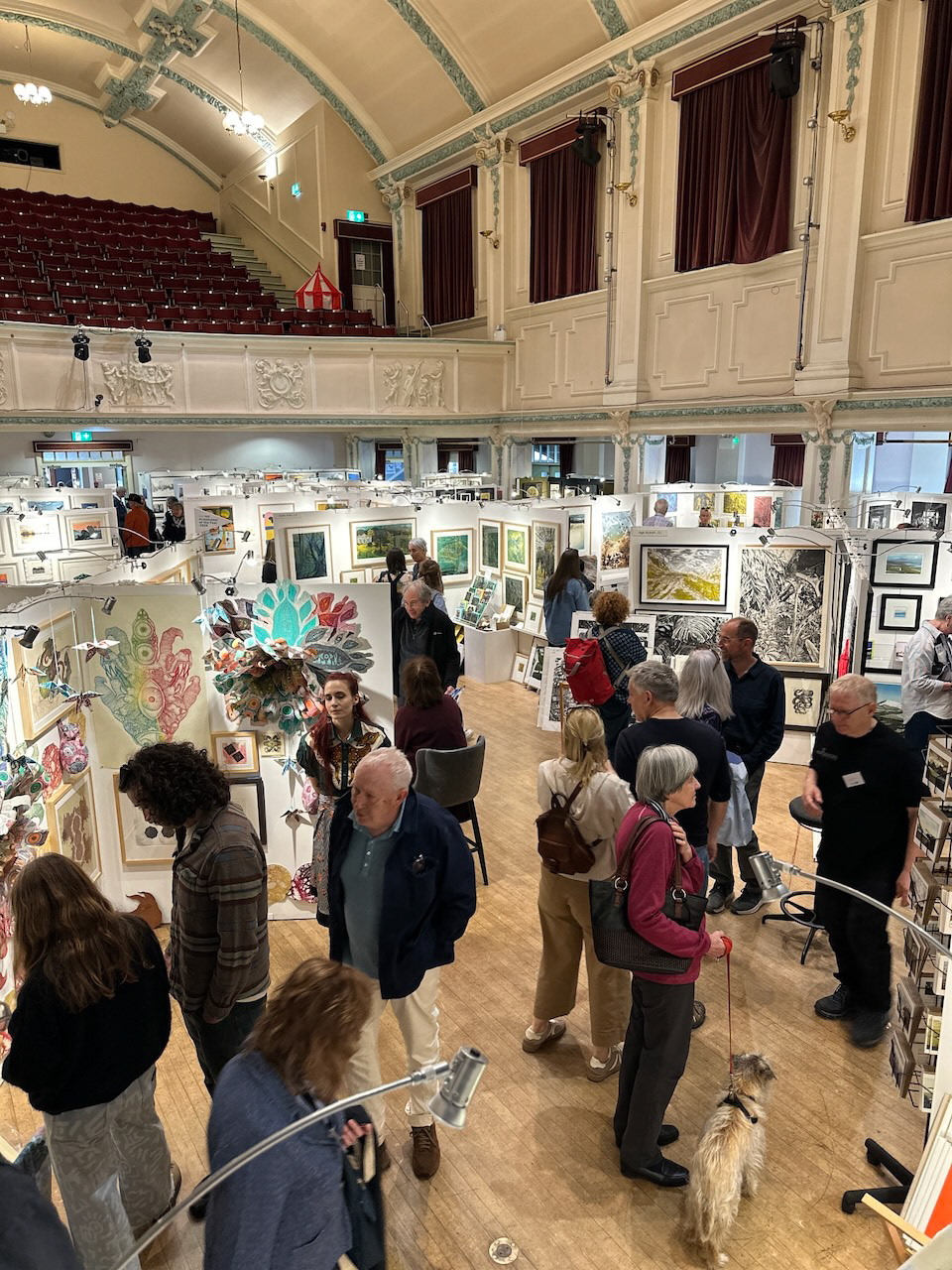
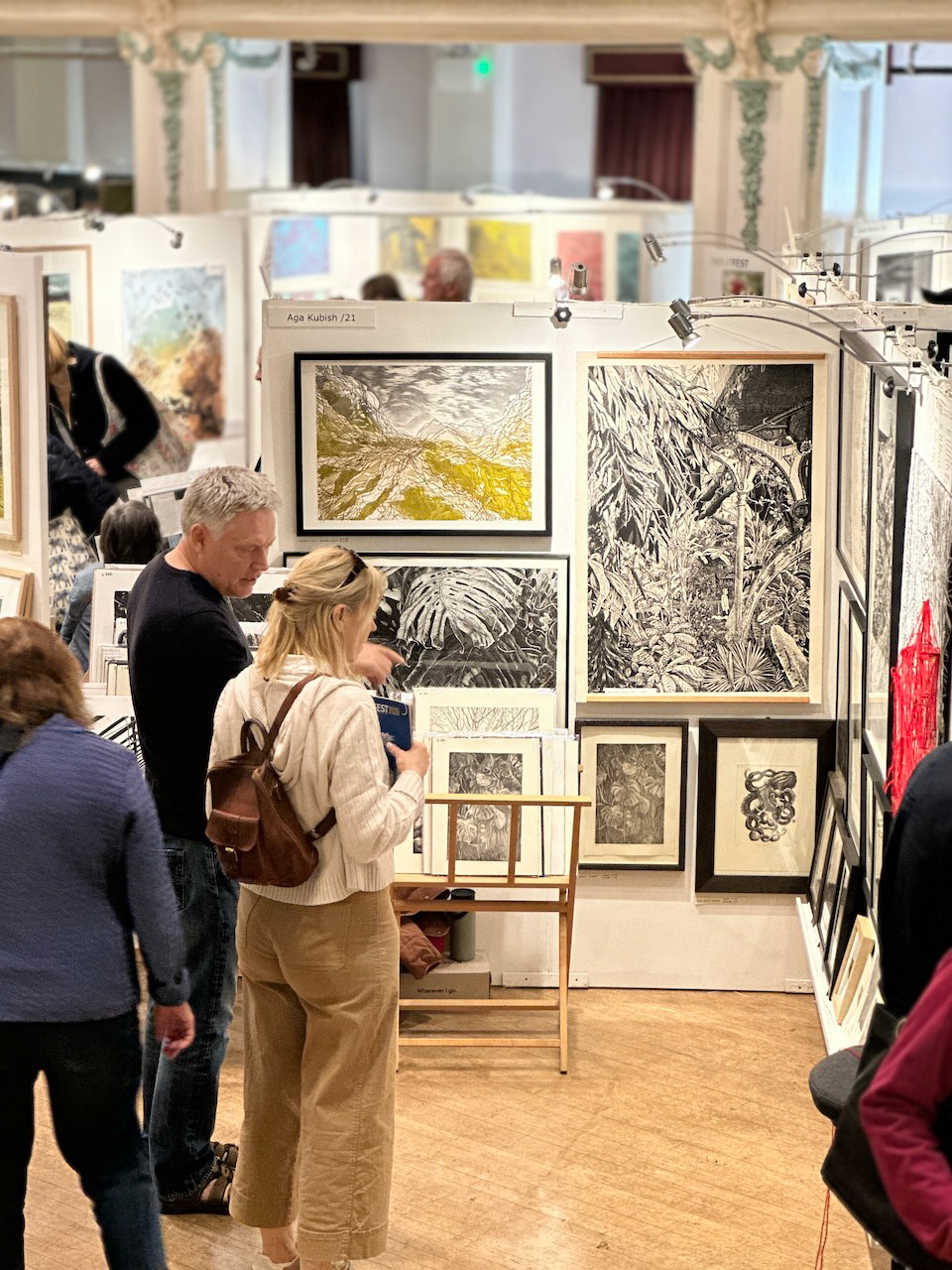
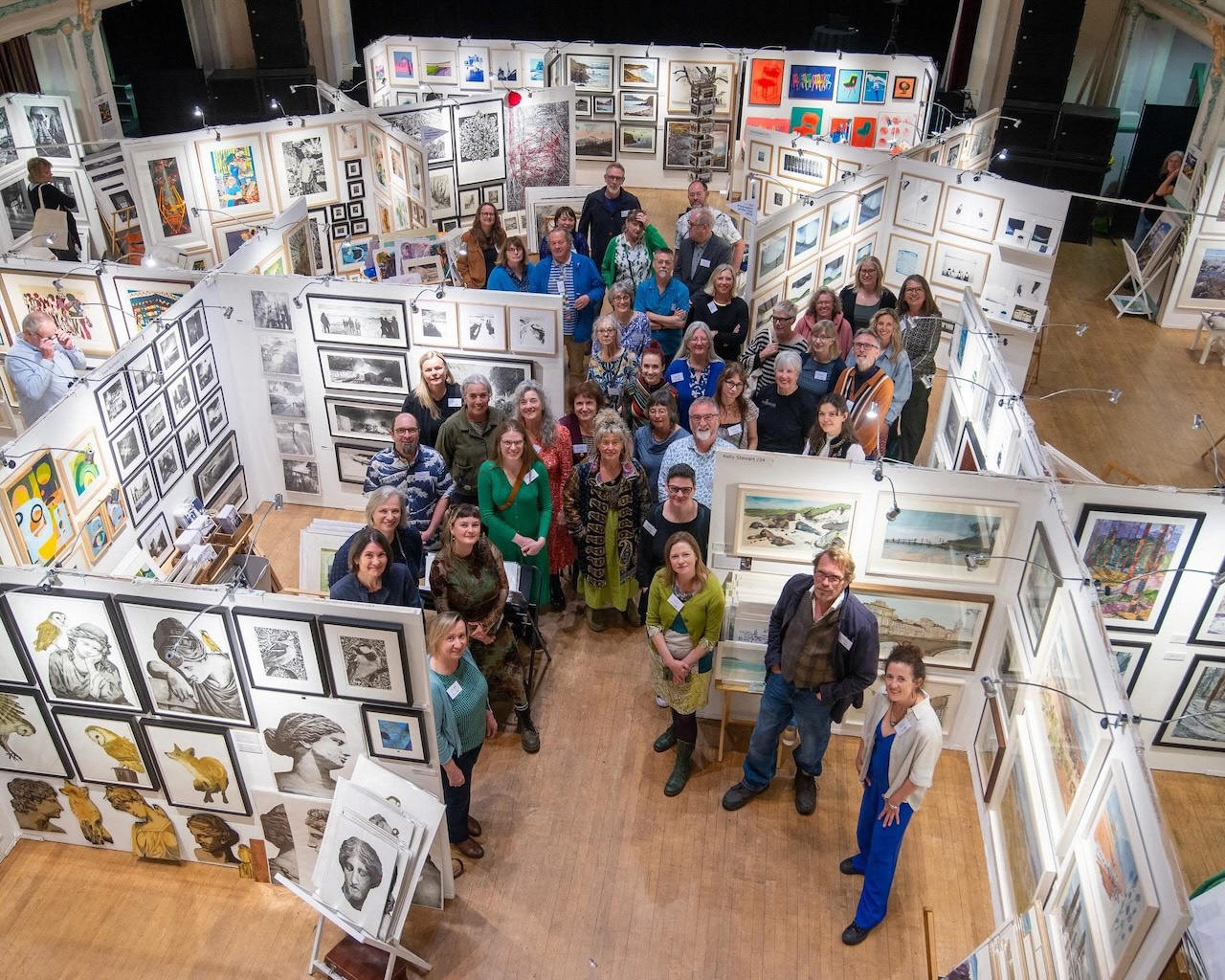
Printfest 2026 felt like a full circle moment.
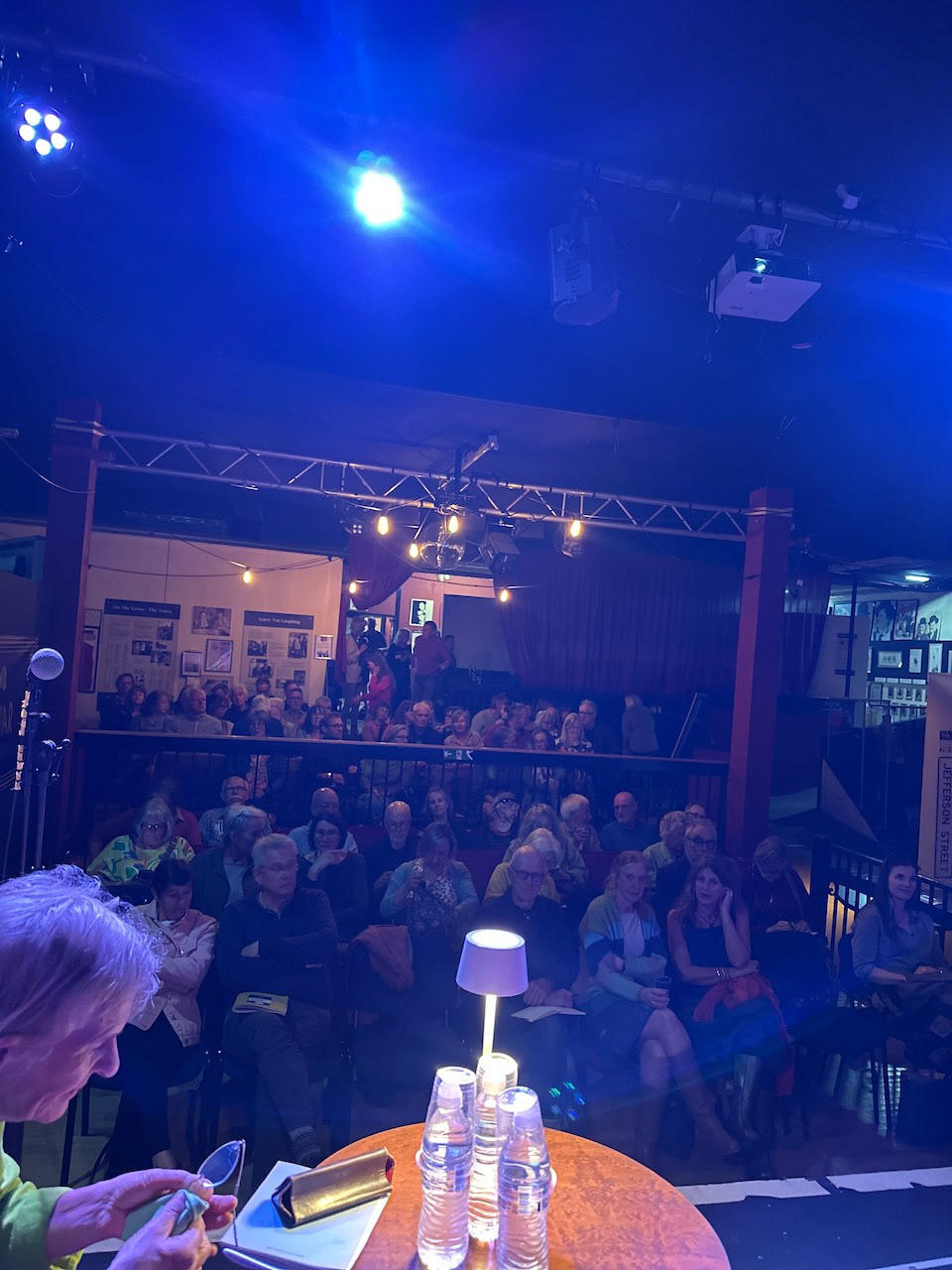
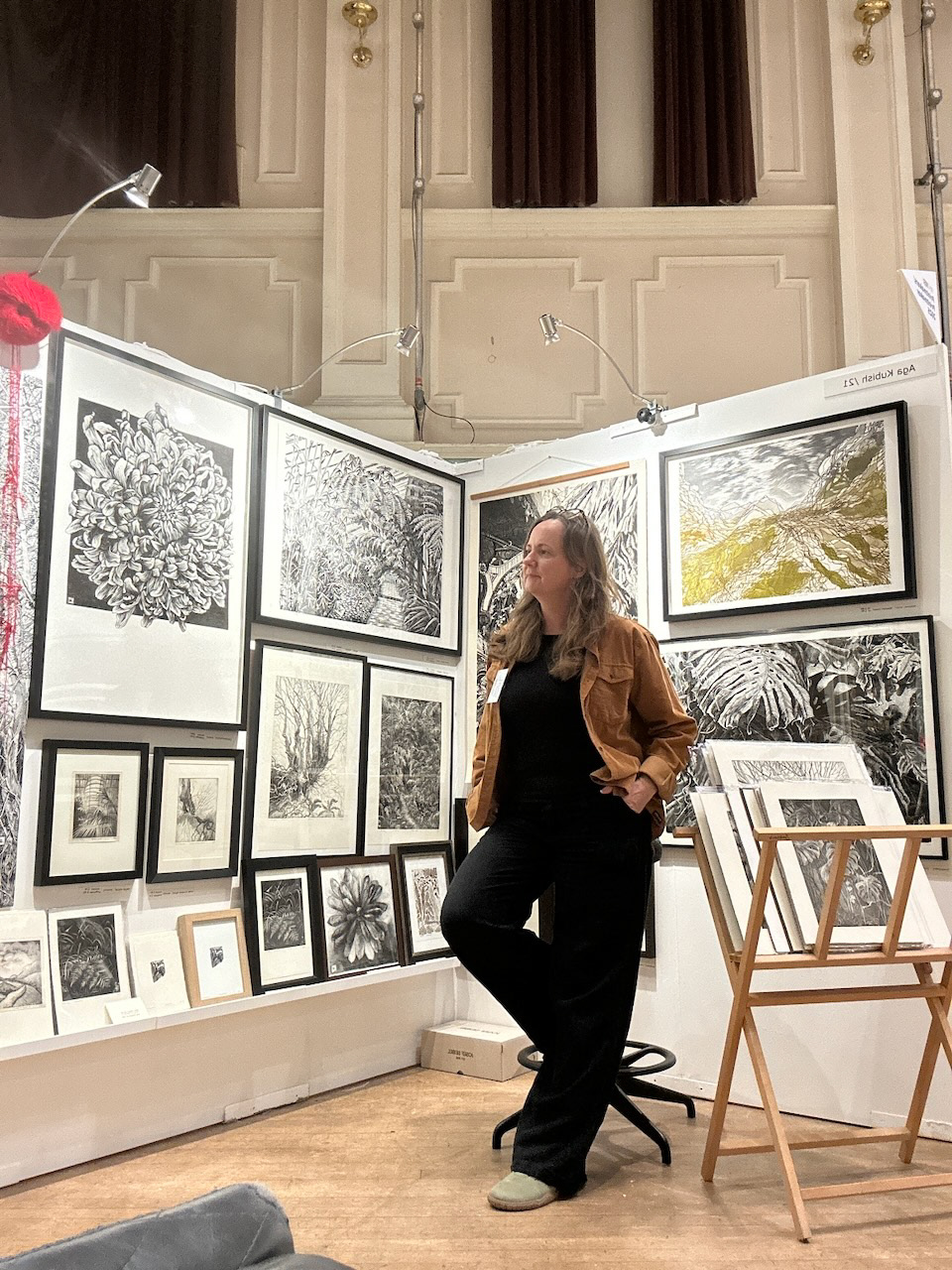
I had the honour of exhibiting under the title of last year’s Printmaker’s Printmaker, which made this year’s presence even more meaningful. I was also invited to give an Artist Talk alongside Anne Desmet - to a full room, with an incredibly engaged and generous audience. The atmosphere was something special.
At the same time, I was given the rather difficult role of selecting two winners in the Young Printmaker competition. The level of work, dedication, and sensitivity to the medium shown by students from local schools was genuinely impressive. Choosing just two was far from easy.
What stayed with me most, though, was the sense of community - a space where making, sharing, and experiencing print all exist side by side.
Finally, a heartfelt thank you to the entire Printfest team for creating such a generous and beautifully organised event - it’s a privilege to be part of it.
And to everyone who took part in The Shelter - thank you for your openness, your gestures, and your willingness to engage. Each thread you placed became part of something larger.
The work exists because of you.
Aga
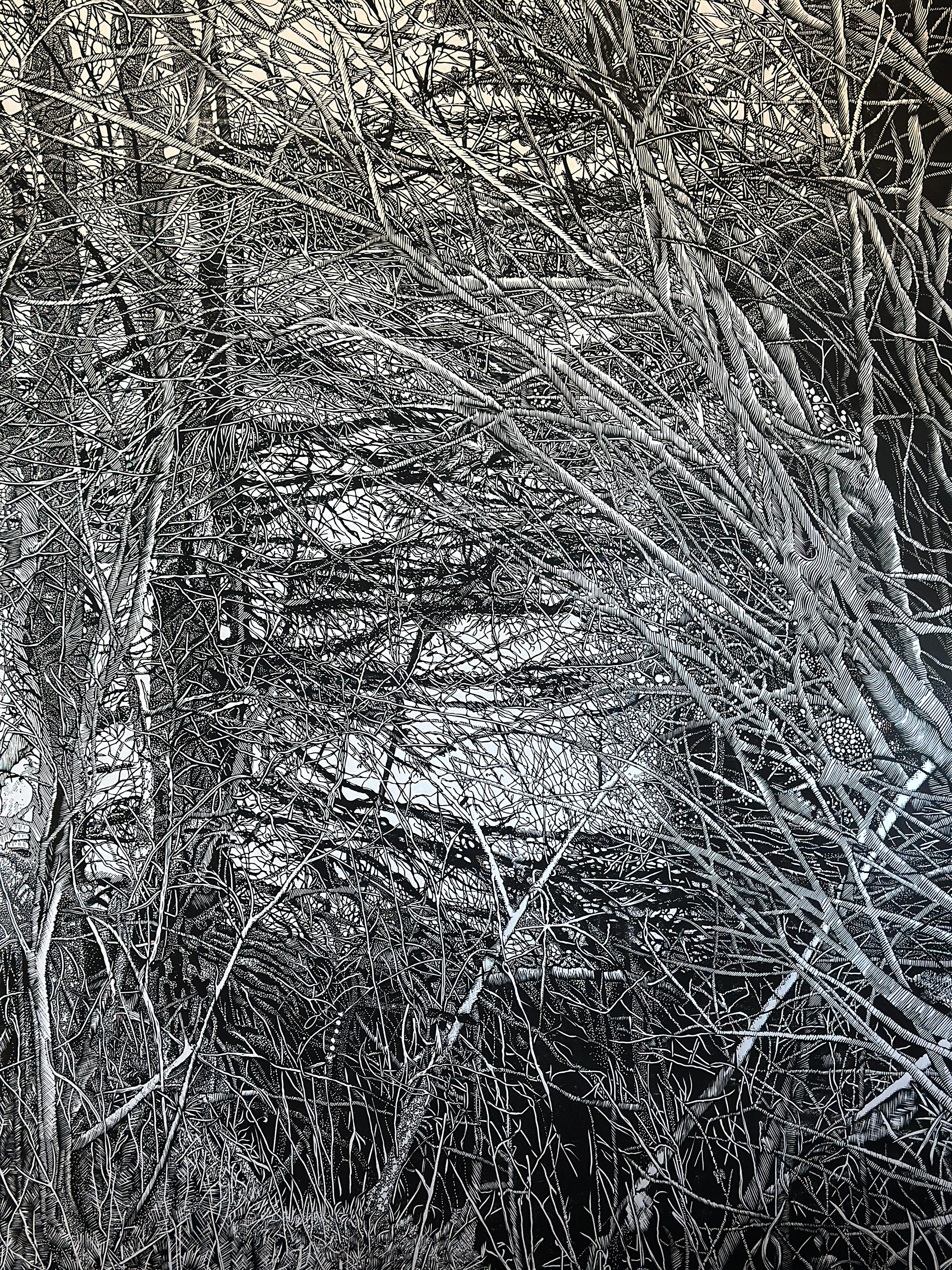
'The Shelter' Linocut Print 160x110 cm, limited editions of 30 / 2026