AGA KUBISH

A R T I S T P R I N T M A K E R

'The Shelter'  
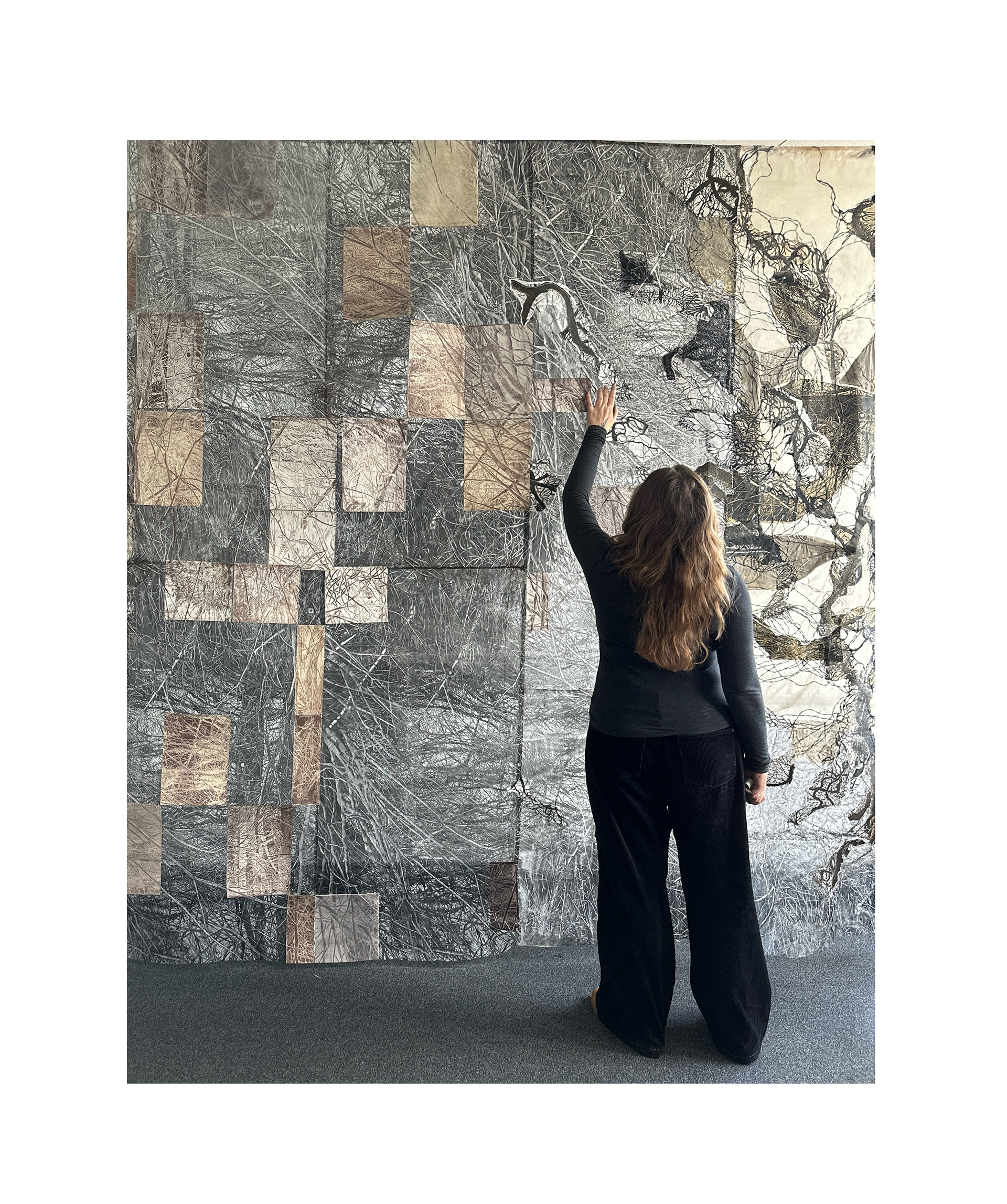
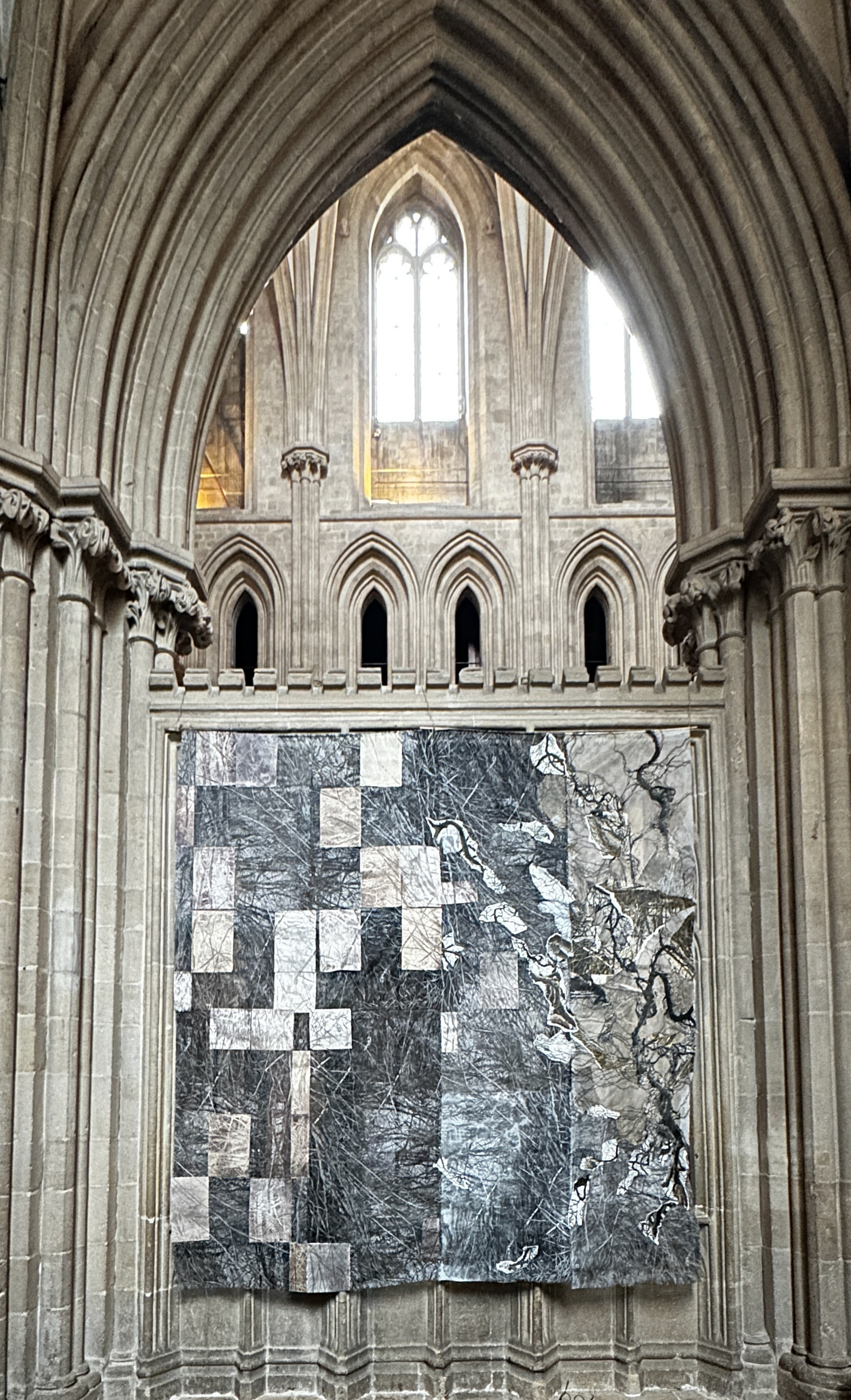
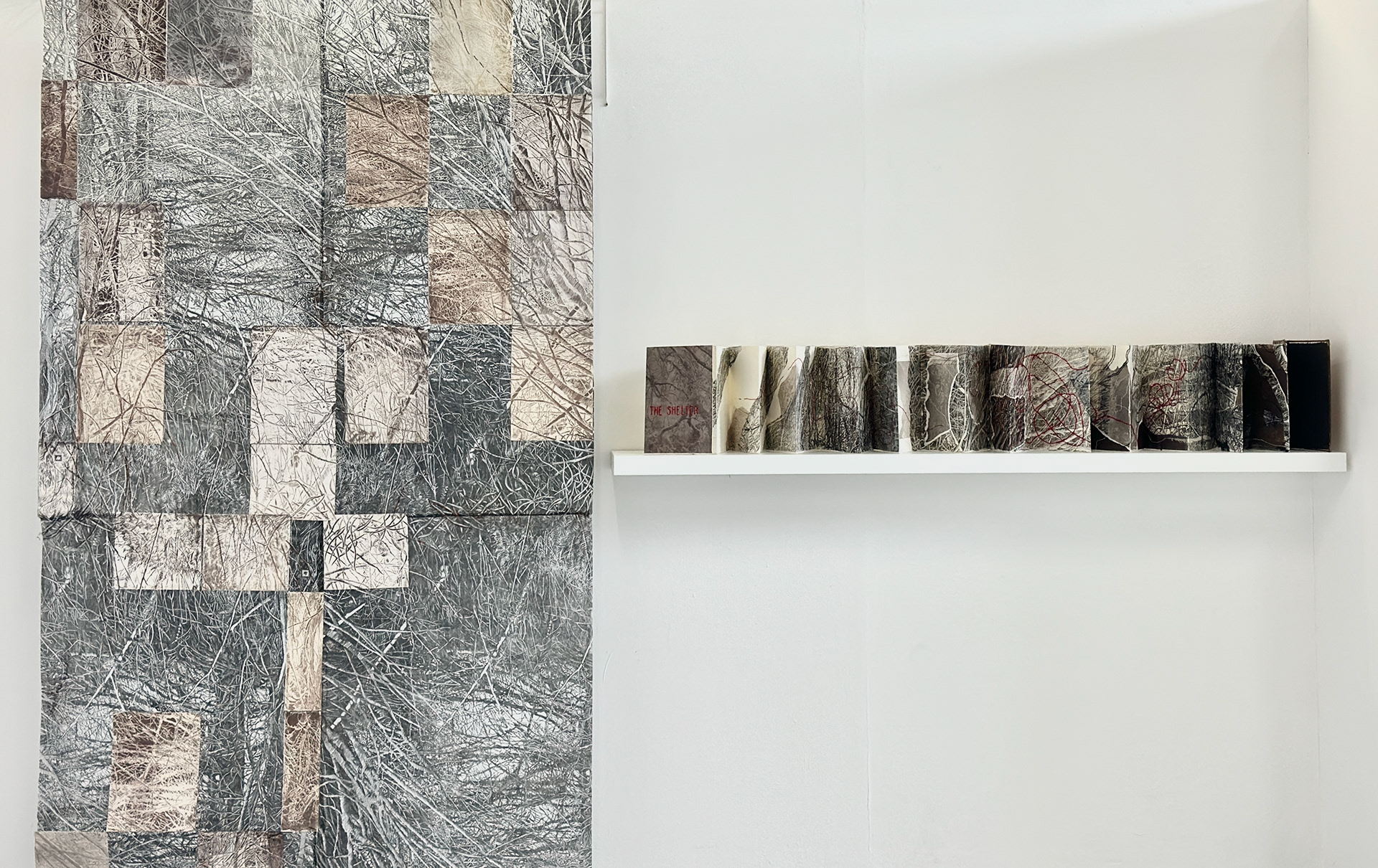
Linocut Print 160x110cm / A large-scale work exploring presence within dense, entangled systems
Handprinted without a press, limited editions of 30.

The Shelter is a large-scale linocut developed through an intensive, time-based process of carving — a slow and repetitive act of entering and understanding complexity through the body.
The image begins as a dense, entangled structure of branches and lines. It reflects a state that is both external and internal: the layered, often overwhelming reality we move through — environments that shift, intersect, and resist simple interpretation.
Rather than simplifying this complexity, the work embraces it.

Through sustained manual labour, the structure gradually reveals its own internal logic. What first appears chaotic begins to organise itself through rhythm, repetition, and attention. In this sense, The Shelter is not a depiction of a place, but a process of becoming present within it.

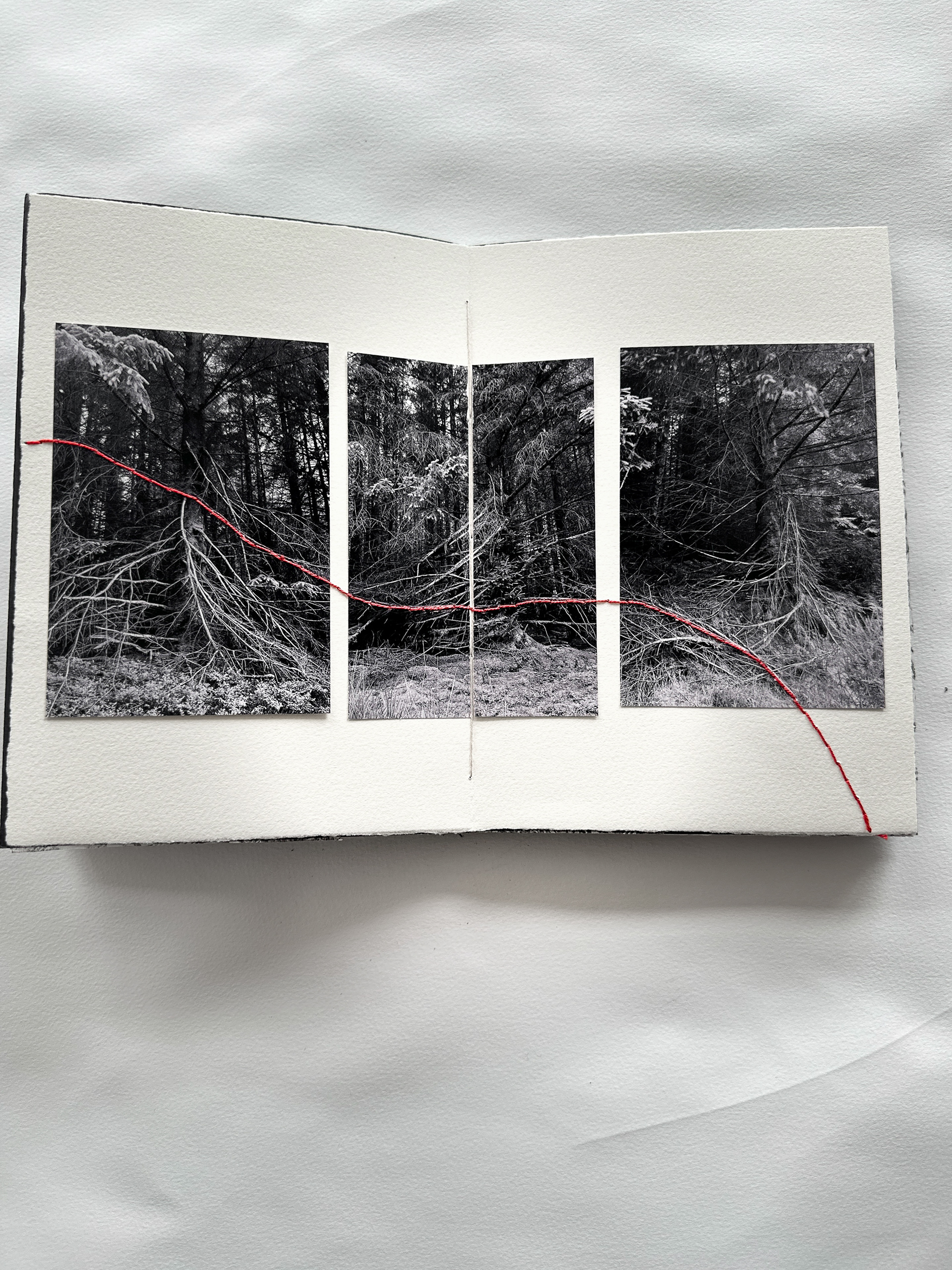
At the centre of the project is a simple intervention: the Red Line.
A thread introduced into the printed structure, activated through physical interaction.
The red line is not decorative.

It is a gesture — small, direct, and intentional.
It represents a moment of decision:
to act, to connect, to begin.

Participants are invited to engage with the work by attaching and weaving the thread across the surface, using small anchor points embedded in the image. Each action builds upon the previous one, gradually forming a network that overlays the printed structure.

Through this process, the work shifts from a static image into a shared space.
The dense background becomes something navigable.
The red thread introduces direction, tension, and relationship.
A personal structure begins to emerge — not imposed from above, but built through individual gestures.
The Shelter exists between control and unpredictability.
The print itself is fixed — the result of months of carving and a defined edition.
The thread, however, remains open.

Each interaction alters the work.
Each version is temporary.

In this way, The Shelter becomes less about representation and more about experience.
It proposes that even within complexity — perhaps especially within it — there is the possibility of grounding. 
Not by removing chaos, but by engaging with it.

By choosing a point.
By making a connection.
By beginning, however small.

EXHIBITIONS / Events:
MAY 2026: PRINTFEST / Ulverston / Cumbria
JULY 2026: Degree Show / MA Fine Art: Printmaking /UWE Bristol
MARCH 2027: Kitchen in the Wild / Cornwall
Back to Top